Чигот · CC BY-SA 4.0
 Why visit
Saint Sofia Church offers a quieter and much older counterpoint to the neighbouring Alexander Nevsky Cathedral. The building’s brick form, underground archaeology and long sequence of religious use reveal how the city’s Christian landscape developed over centuries. Its significance also extends beyond architecture because the church gave Sofia its present name, making the site central to understanding the identity of the capital as well as its late antique past.
What you will see
- The austere brick basilica form.
- Archaeological remains and tombs beneath and around the church.
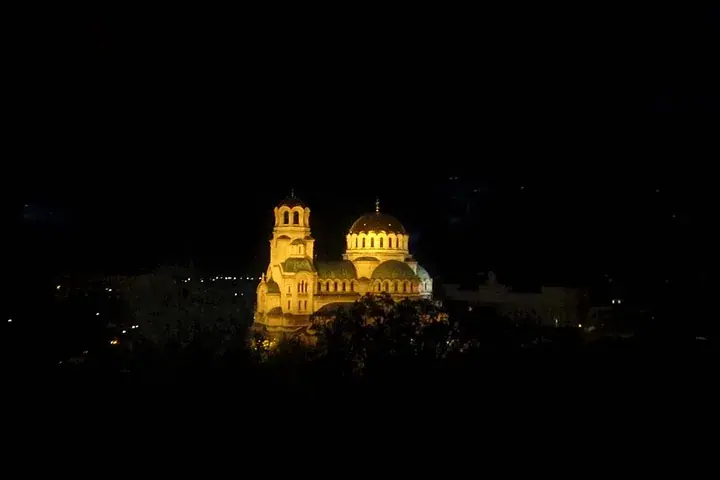
- The close relationship between the church, Alexander Nevsky Cathedral and central Sofia.
History
The present church largely reflects a late antique basilica built over earlier religious and funerary structures. It survived repeated destruction and rebuilding, and its name ultimately became associated with the city itself.
Visitor tips
- 1
Confirm the current public entrance, trailhead, parking point or visitor route shortly before travel.
About Sofia and Western Bulgaria
The capital and western foothills combine late antique and medieval churches, national museums, modern civic architecture, Vitosha landscapes and National Revival heritage.
Open the Bulgaria guide