Svilen Enev · CC BY 2.5
 Why visit
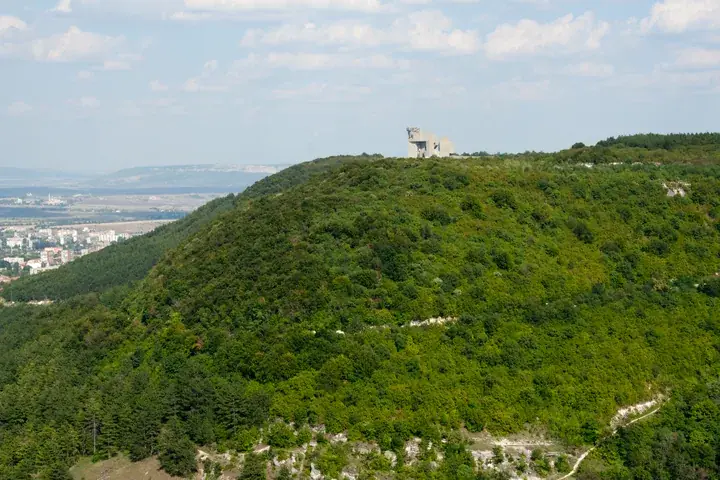
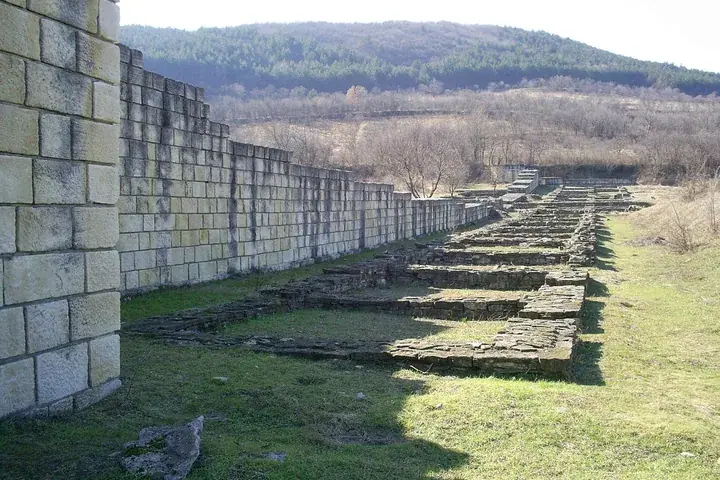
Shumen Fortress reveals continuity across several political periods in northeastern Bulgaria. Its walls and internal building remains show that this was not only a military outpost but also a substantial medieval settlement. The plateau position explains its defensive value and gives broad views towards the region of Pliska, Madara and Preslav. As a result, the site works well as a geographical and chronological bridge between ancient settlement and the first Bulgarian capitals.
What you will see
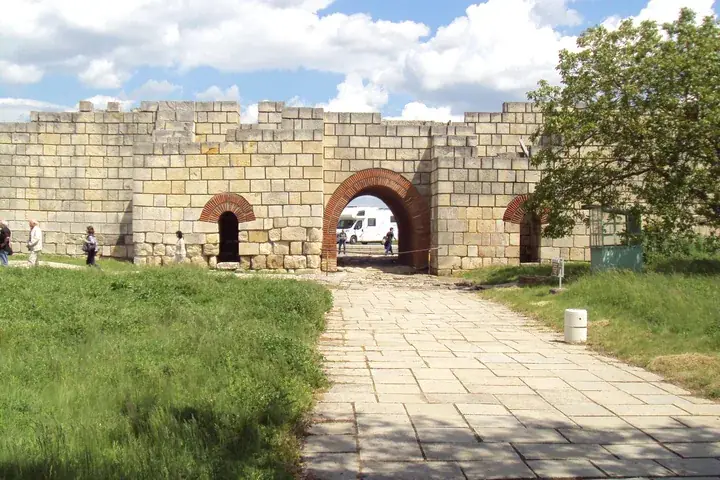
- Extensive fortress walls and gates across the plateau.
- Remains of medieval churches and urban structures.
- Views from the plateau over Shumen and the surrounding plain.
History
The hill was fortified in antiquity and remained important through the First and Second Bulgarian Empires. Medieval Shumen developed within the walls before the fortress was destroyed during the Ottoman conquest in the 15th century.
Visitor tips
- 1
Confirm the current public entrance, trailhead, parking point or visitor route shortly before travel.
About Northeast Bulgaria
The northeast contains major Roman archaeology, Thracian burial monuments and the first capitals of the Bulgarian state, with Pliska, Madara, Preslav and Shumen forming a concentrated historical landscape.
Open the Bulgaria guide