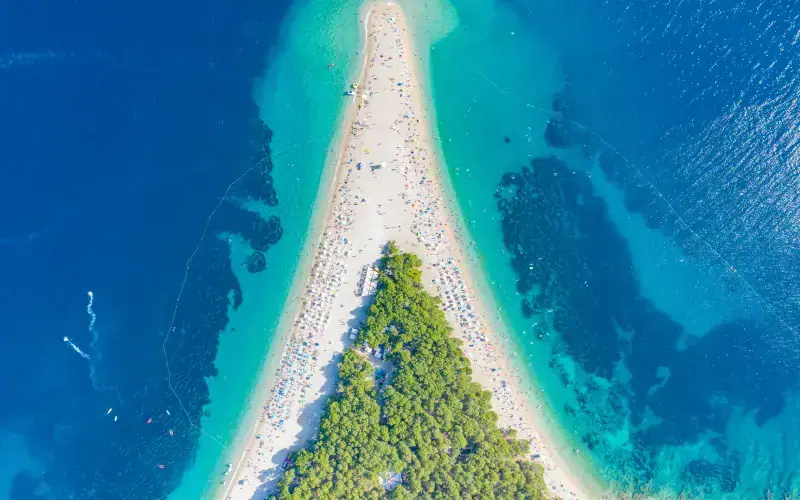
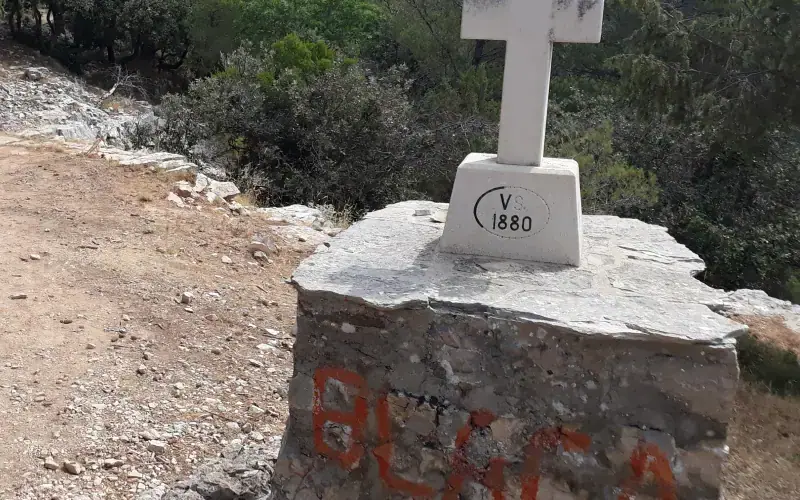
 Argo Navis · CC BY-SA
 Why visit
A secluded stone hermitage built into a steep valley, preserving the unusual life and collections of Glagolitic priests. Founded in the sixteenth century by refugees, Blaca grew into a self-sufficient monastic, agricultural and scholarly estate.
What you will see
- Cliffside complex.
- Historic observatory objects.
- Remote valley setting.
History
Founded in the sixteenth century by refugees, Blaca grew into a self-sufficient monastic, agricultural and scholarly estate. Croatia’s visitor story is layered: prehistoric and Roman settlement, medieval Croatian and communal institutions, Venetian, Habsburg and Ottoman frontiers, Yugoslav development and the 1990s war affected different regions in different ways.
Visitor tips
- 1
Allow about 210 minutes for the core visit and add extra time in July and August for heat, traffic, ferries, queues or limited parking.
- 2
Check the official same-week information for opening, restoration, worship, event, fire, weather or protected-area restrictions.
- 3
Carry water, sun protection and footwear suited to polished stone, pebble beaches, uneven ruins or karst paths as relevant.
- 4
Respect active worship, memorials, private homes, working salt pans, farms and protected wildlife areas.
- 5
Keep a flexible alternative nearby because bora wind, thunderstorms, rough sea and seasonal closures can disrupt a coastal or mountain day.
- 6
Plan for a hike or an authorised boat or transfer, and check opening times, heat and footwear needs.
About Brač, Hvar and Vis Islands
Brač, Hvar and Vis Islands is organised as a practical trip-planning area with 12 researched places and realistic local bases.
Open the Croatia guide