Bpavkovic · CC BY-SA
 Why visit
A collapsed sea cave on Mljet reached by a rough path, with a vivid opening to deep blue water. Local tradition links the cave with the Odyssey, while its present form reflects coastal karst collapse and marine erosion.
What you will see
- Rock arch and blue water.
- Remote coastal setting.
- Clifftop approach.
History
Local tradition links the cave with the Odyssey, while its present form reflects coastal karst collapse and marine erosion. Croatia’s visitor story is layered: prehistoric and Roman settlement, medieval Croatian and communal institutions, Venetian, Habsburg and Ottoman frontiers, Yugoslav development and the 1990s war affected different regions in different ways.
Visitor tips
- 1
Allow about 180 minutes for the core visit and add extra time in July and August for heat, traffic, ferries, queues or limited parking.
- 2
Check the official same-week information for opening, restoration, worship, event, fire, weather or protected-area restrictions.
- 3
Carry water, sun protection and footwear suited to polished stone, pebble beaches, uneven ruins or karst paths as relevant.
- 4
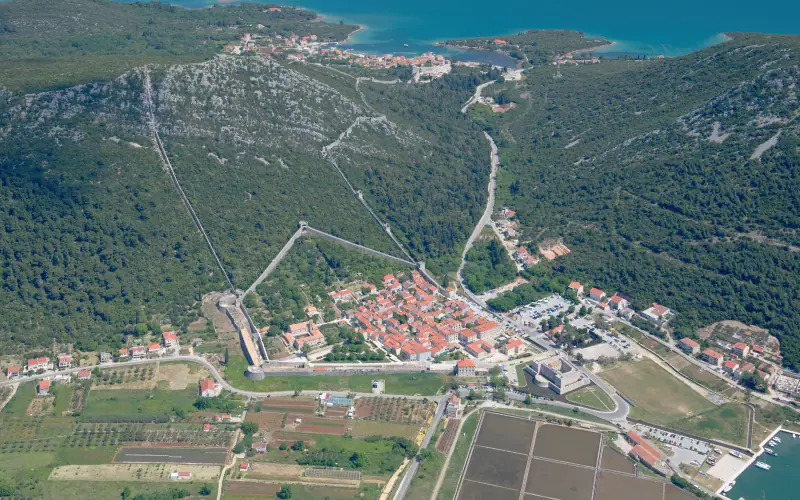
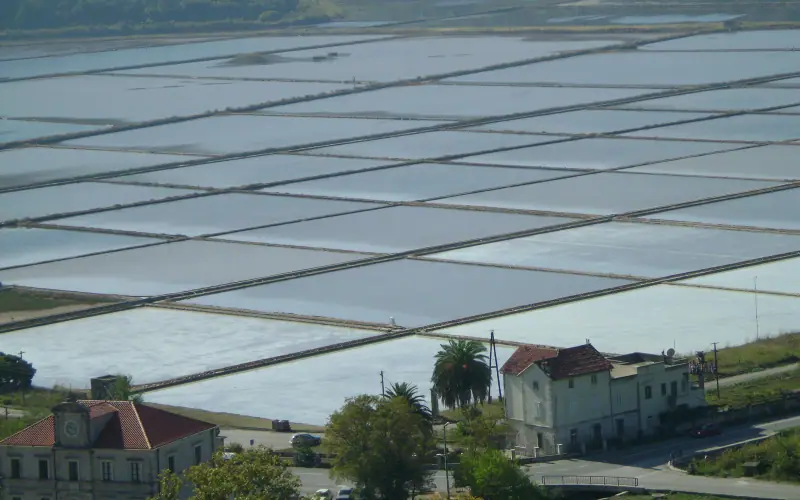
Respect active worship, memorials, private homes, working salt pans, farms and protected wildlife areas.
- 5
Keep a flexible alternative nearby because bora wind, thunderstorms, rough sea and seasonal closures can disrupt a coastal or mountain day.
- 6
The hike includes cliff edges and intense heat, and sea entry can be dangerous; use a recognised path and assess conditions carefully.
About Pelješac, Korčula, Mljet and Lastovo
Pelješac, Korčula, Mljet and Lastovo is organised as a practical trip-planning area with 10 researched places and realistic local bases.
Open the Croatia guide