Carole Raddato · CC BY-SA 2.0
 Why visit
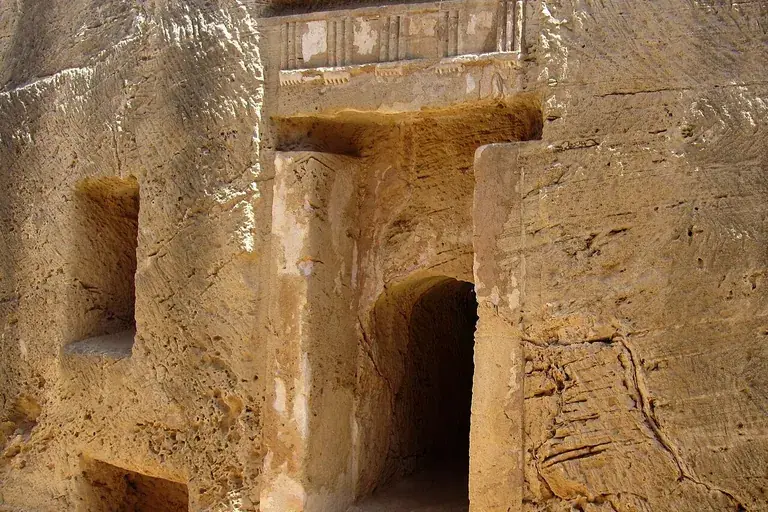
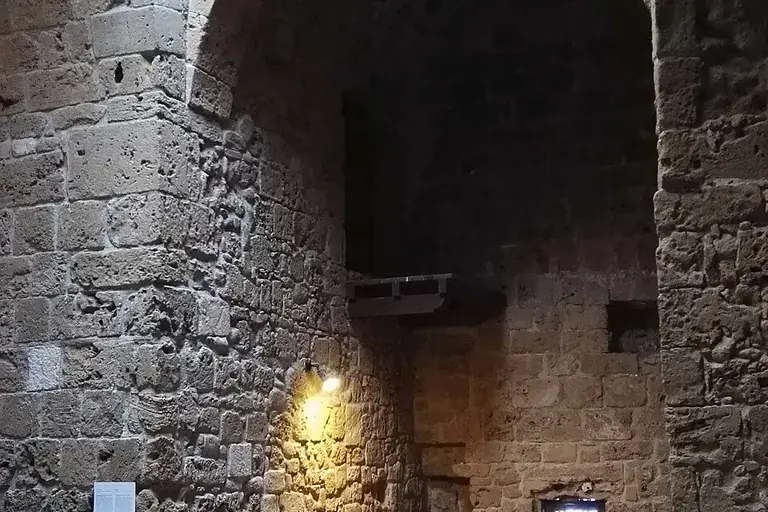
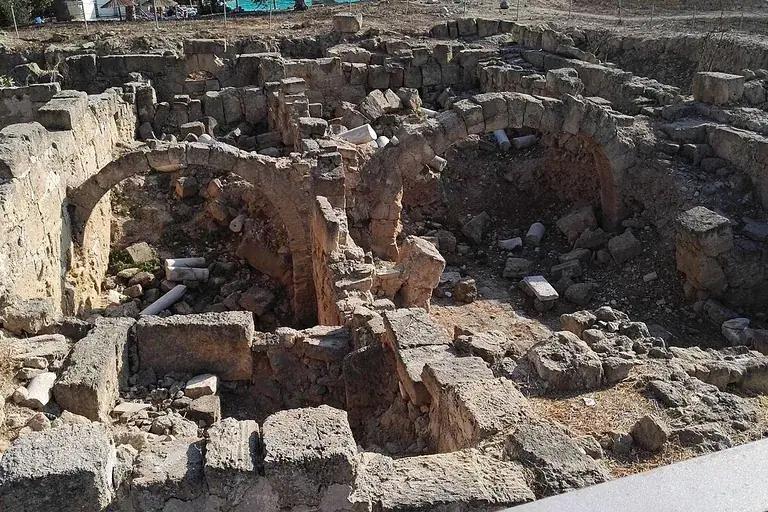
Palaepaphos provides the historical setting behind Cyprus’s strongest Aphrodite associations. Rather than a single intact temple, it presents foundations, reused structures and museum displays that reveal how a major sanctuary evolved across a long period. Visiting it after Petra tou Romiou helps separate later mythology from the archaeological record. The stop works especially well when placed beside nearby sites from the same region, because the contrast in landscape, architecture or historical period makes the wider character of Cyprus easier to understand.
What you will see
- Sanctuary foundations.
- Medieval manor museum area.
- Cult stone tradition.
- Views across Kouklia.
History
The sanctuary at Palaepaphos was active from the Late Bronze Age and became closely associated with the worship of Aphrodite. The site continued to matter through the Classical, Hellenistic and Roman periods and forms part of the UNESCO-listed Paphos property.
Visitor tips
- 1
Allow time for the surrounding landscape or historic streets where these form part of the site context.
- 2
Check current official information before relying on a particular entrance, service, crossing arrangement or interior visit.
About Paphos Coast & Ancient Paphos
Ancient Paphos, Kouklia and the south-western coast combine UNESCO archaeology, harbour fortifications and religious sites.
Open the Cyprus guide