Chris06 · CC BY-SA 4.0
 Why visit
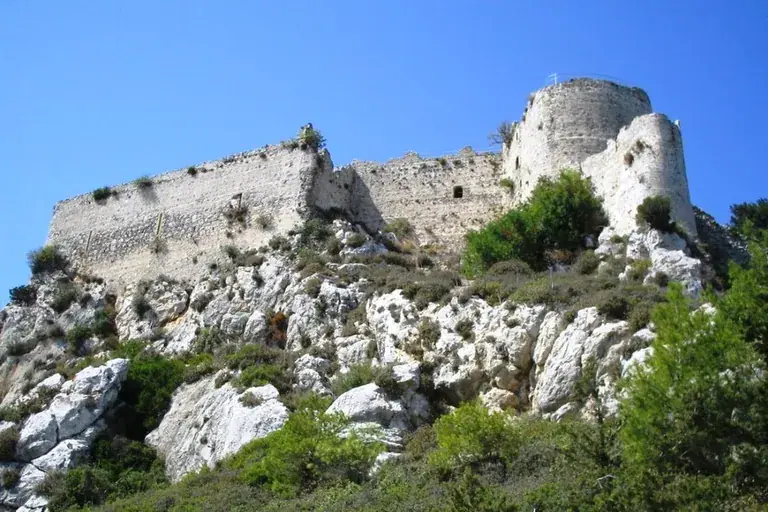
The citadel helps explain why Famagusta became one of the eastern Mediterranean’s most heavily fortified ports. Its squat towers and thick walls reflect the transition toward artillery defence, while the position beside the old harbour gives the structure strategic context. The literary name adds interest, but the architecture and military history are the stronger reasons to visit. The stop works especially well when placed beside nearby sites from the same region, because the contrast in landscape, architecture or historical period makes the wider character of Cyprus easier to understand.
What you will see
- Round corner towers.
- Venetian masonry.
- Courtyard and halls.
- Connection with Famagusta walls.
History
The citadel has medieval origins and was strengthened by the Venetians in the late 15th and early 16th centuries. Its modern name reflects later literary association with Shakespeare’s Othello rather than a documented link with the fictional character.
Visitor tips
- 1
Allow time for the surrounding landscape or historic streets where these form part of the site context.
- 2
Check current official information before relying on a particular entrance, service, crossing arrangement or interior visit.
About Famagusta & Karpas
Eastern Cyprus combines the ruins and fortifications of Famagusta and Salamis with the long, sparsely developed landscapes of the Karpas Peninsula.
Open the Cyprus guide