 Dickelbers · CC BY-SA 3.0
 Why visit
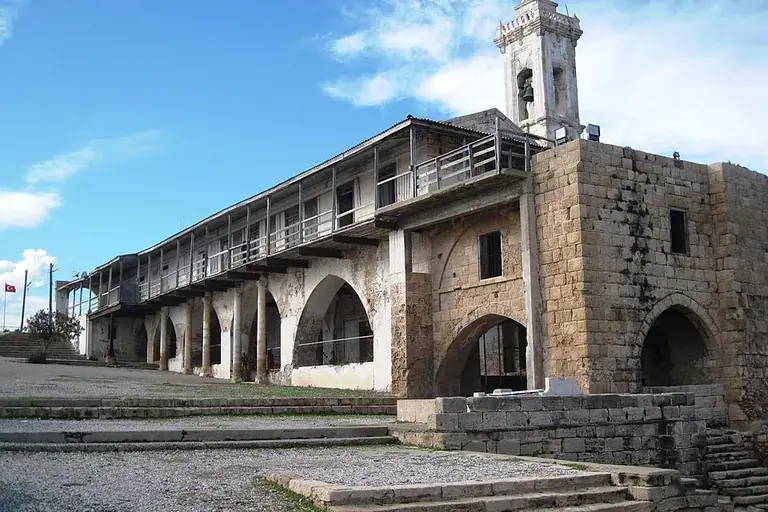
The monastery provides a cultural focus at the end of the long Karpas journey. Its importance comes from continued pilgrimage traditions as much as architecture, and the remote setting gives the visit a sense of geographic culmination. The surrounding coast and peninsula landscape make it valuable even for travellers whose main interest is history rather than religious practice. The stop works especially well when placed beside nearby sites from the same region, because the contrast in landscape, architecture or historical period makes the wider character of Cyprus easier to understand.
What you will see
- Pilgrimage church complex.
- Remote coastal setting.
- Spring tradition.
- Karpas Peninsula approach.
History
The site is associated with traditions concerning the Apostle Andrew and developed as an important pilgrimage destination for Cypriot Orthodox Christians. The complex has undergone restoration in the modern period.
Visitor tips
- 1
Allow time for the surrounding landscape or historic streets where these form part of the site context.
- 2
Check current official information before relying on a particular entrance, service, crossing arrangement or interior visit.
About Famagusta & Karpas
Eastern Cyprus combines the ruins and fortifications of Famagusta and Salamis with the long, sparsely developed landscapes of the Karpas Peninsula.
Open the Cyprus guide