Hugo.arg · Public domain
 Why visit
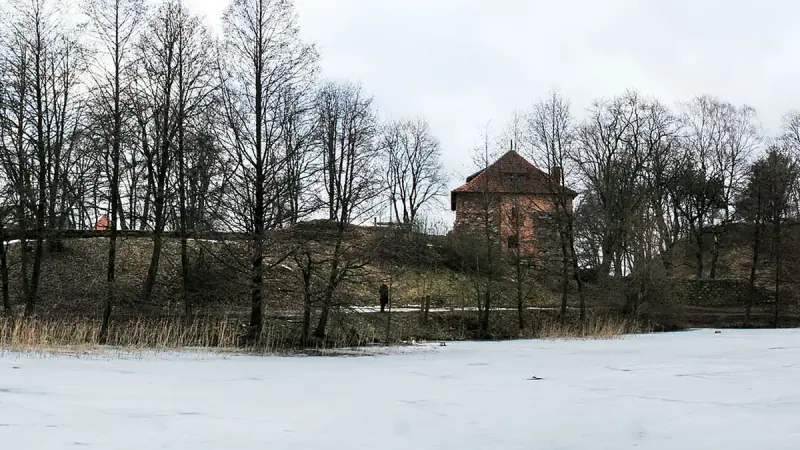
Kernavė Archaeological Site is worth time for its the unusual concentration of earthworks and buried settlement evidence in a broad cultural landscape. The visit combines hillforts, museum interpretation, river-valley views and reconstructed archaeological context, making the site useful for understanding the development of early and medieval settlement in eastern Lithuania. It rewards a slower look at how defensive hills, settlement terraces and the Neris valley relate spatially and fits naturally with Kernavė museum and village. The experience is particularly relevant to travellers interested in archaeology, early state formation and cultural landscapes, while the setting gives the historical or natural story a clear physical context.
What you will see
- Cluster of hillforts.
- Neris valley landscape.
- Archaeological museum interpretation.
History
Kernavė preserves evidence of settlement from prehistoric periods through the Middle Ages and became an important centre in the early Lithuanian state. The archaeological site was inscribed on the UNESCO World Heritage List in 2004.
Visitor tips
- 1
The site involves slopes and open ground; footwear suited to grass and changing weather is useful.
- 2
Check the named official source shortly before travel for temporary closures, maintenance or local access changes.
About Trakai and Kernavė
Lake castles, Karaim heritage and the archaeological landscape of Kernavė make this region a compact introduction to Lithuania’s medieval state.
Open the Lithuania guide