 GiW · CC BY-SA 3.0
 Why visit
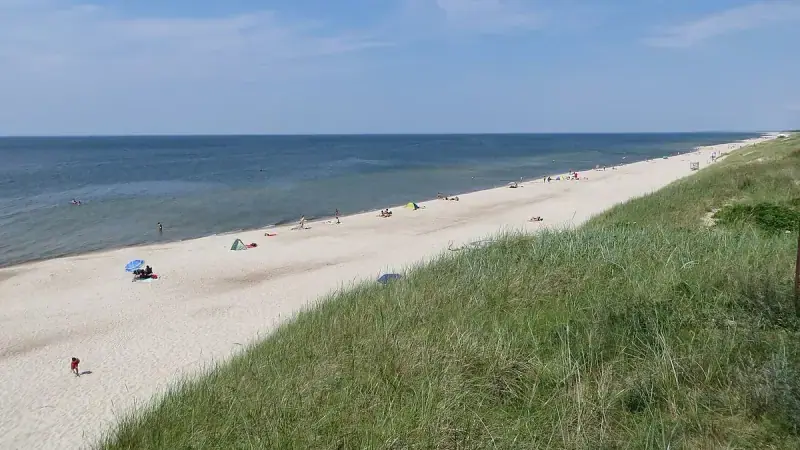
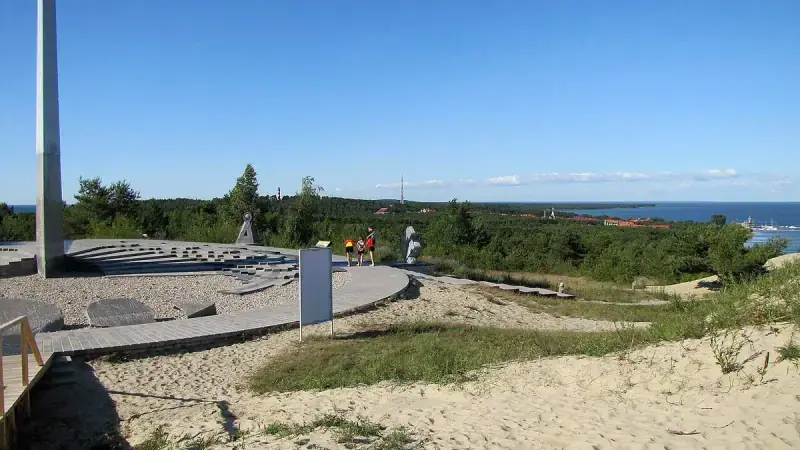
Parnidis Dune is worth time for its its clear view of dune processes and the narrow geography of the Curonian Spit. The visit combines open sand, lagoon panoramas, the sundial area and transitions between stabilised and mobile dunes, making the site useful for understanding the environmental history of Neringa and long efforts to manage moving sand. It rewards a slower look at surface textures, vegetation edges and the scale of the lagoon and fits naturally with Nida centre and Thomas Mann Memorial Museum. The experience is particularly relevant to travellers interested in landscape photography, geomorphology and coastal walking, while the setting gives the historical or natural story a clear physical context.
What you will see
- Open dune panoramas.
- Curonian Lagoon views.
- Sundial area near the crest.
History
Parnidis forms part of the dune system that has continually changed under wind, vegetation and human management. The area illustrates both natural dune movement and the long history of stabilisation work carried out across the Curonian Spit.
Visitor tips
- 1
Sand and exposed slopes can be difficult in strong wind or heat; marked routes should be followed to protect sensitive surfaces.
- 2
Check the named official source shortly before travel for temporary closures, maintenance or local access changes.
About Klaipėda and the Curonian Spit
Lithuania’s Baltic gateway leads to the Curonian Spit, where fishing settlements, dunes, pine forests and maritime museums shape a distinctive coastal landscape.
Open the Lithuania guide