 DAVID ILIFF · CC BY-SA 3.0
 Why visit
Palanga Amber Museum is worth time for its its combination of Baltic amber collections, historic interiors and a formal palace setting. The visit combines natural amber specimens, archaeological and crafted pieces, palace rooms and park views, making the site useful for understanding the geology, trade and cultural use of Baltic amber. It rewards a slower look at differences between raw amber, inclusions and worked objects and fits naturally with Birutė Park and the Palanga seafront. The experience is particularly relevant to travellers interested in natural history, decorative arts and Baltic material culture, while the setting gives the historical or natural story a clear physical context.
What you will see
- Amber with natural inclusions.
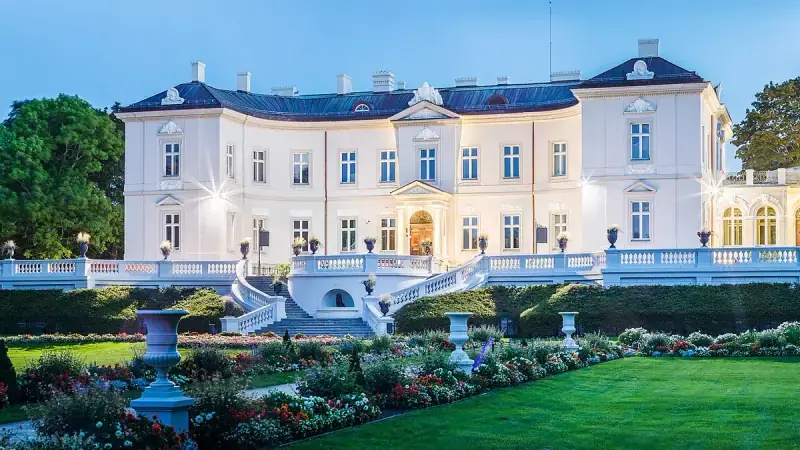
- Historic palace rooms.
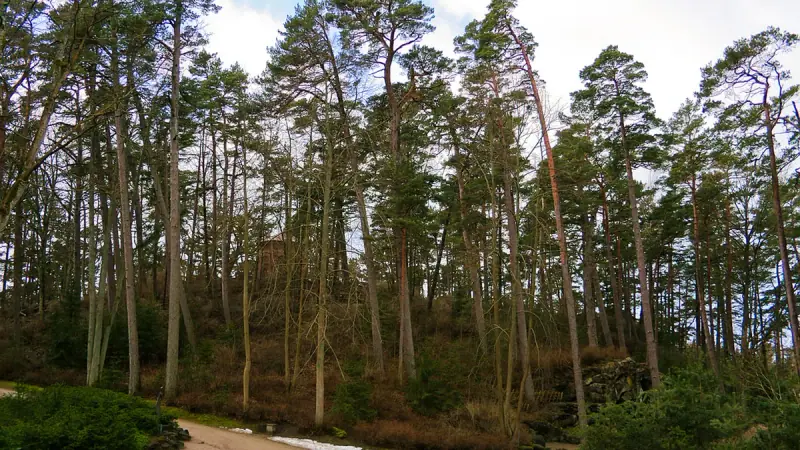
- Park setting around the museum.
History
The late-nineteenth-century Tiškevičiai Palace became home to the Palanga Amber Museum in 1963. Its collections use the historic residence to interpret both the natural formation of amber and its long cultural use around the Baltic.
Visitor tips
- 1
The museum and park work well together; interior ticketing and any temporary exhibitions should be checked on the museum site.
- 2
Check the named official source shortly before travel for temporary closures, maintenance or local access changes.
About Palanga and the Seaside
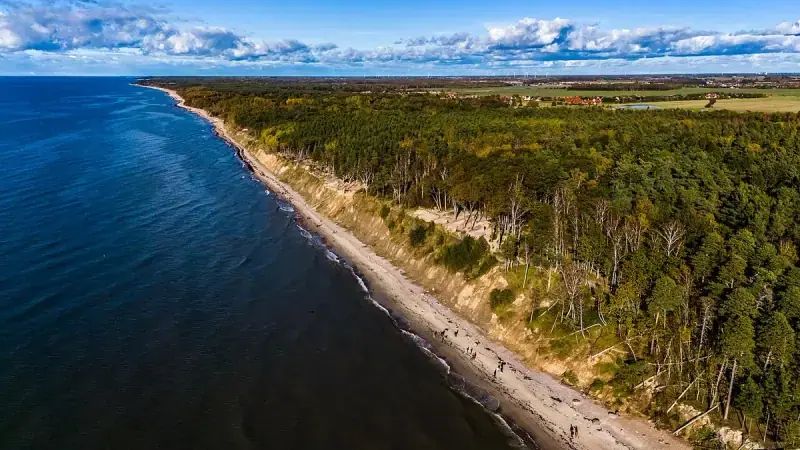
Palanga’s park and amber collections sit beside the Baltic, while the northern coast includes protected cliffs and forested shoreline.
Open the Lithuania guide