 Viskonsas · CC BY-SA 3.0
 Why visit
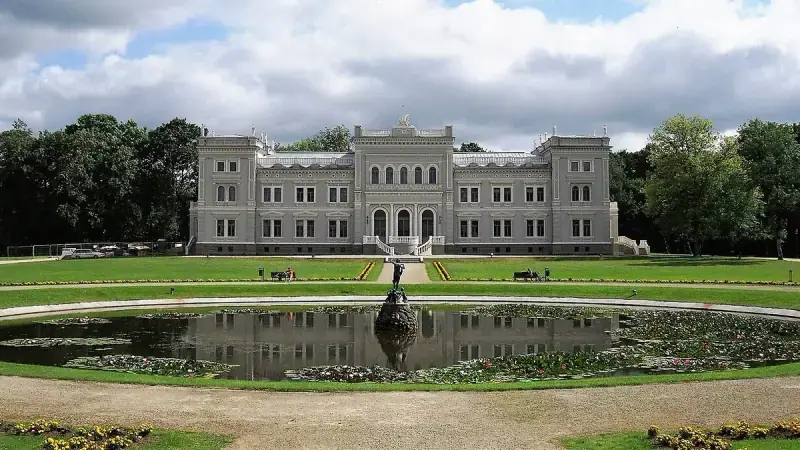
Plungė Manor is worth time for its its palace architecture, estate landscape and connection with the cultural history of Samogitia. The visit combines palace rooms, park avenues, outbuildings and exhibitions on regional culture, making the site useful for understanding the nineteenth-century estate system and the Oginski family’s cultural patronage. It rewards a slower look at how the main palace relates to stable buildings, gates and park planning and fits naturally with Plungė town and Žemaitija National Park. The experience is particularly relevant to travellers interested in manor architecture, music history and regional heritage, while the setting gives the historical or natural story a clear physical context.
What you will see
- Neo-Renaissance palace.
- Historic stable and gate buildings.
- Landscaped manor park.
History
The present palace was created in the late nineteenth century for the Oginski family, who developed the estate as a cultural centre. The complex later passed through institutional uses and now supports museum and cultural functions.
Visitor tips
- 1
The estate includes both indoor collections and outdoor grounds, so visit length depends on which buildings are open.
- 2
Check the named official source shortly before travel for temporary closures, maintenance or local access changes.
About Samogitia
Samogitia centres on Žemaitija National Park, Lake Plateliai and historic towns such as Telšiai and Plungė, combining landscape and regional culture.
Open the Lithuania guide