 Plutoworld · CC BY-SA 4.0
 Why visit
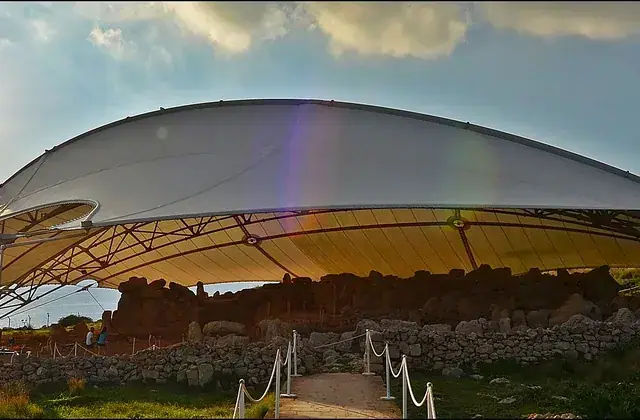
Għar Dalam provides a focused way to understand Malta’s deep prehistory through cave deposits, animal remains and evidence of early human presence. The cave and museum connect geological change with archaeology, providing a long time perspective that predates the megalithic temples and helps explain Malta’s changing environment. Its value lies in the combination of surviving fabric, setting and interpretation, which places the site within the wider history of Malta and the central Mediterranean. Allowing time to examine the details rather than treating it as a brief photo stop gives context that is difficult to gain from the exterior or landscape alone.
What you will see
- limestone cave passage.
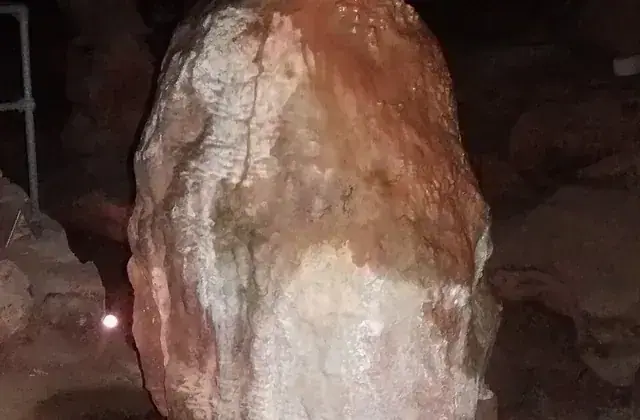
- Pleistocene faunal remains.
- museum displays on stratigraphy and early settlement.
History
Għar Dalam preserves sedimentary layers containing Pleistocene animal remains and later archaeological material. Scientific investigation from the nineteenth century onward established the cave as a key site for understanding Malta’s natural and human prehistory.
Visitor tips
- 1
Pairing Għar Dalam with nearby places in the same region can reduce backtracking, but current access and transport arrangements should be checked on the day.
About Southern Prehistory
The south contains Malta’s densest group of prehistoric monuments, including underground burial architecture, megalithic temples and cave archaeology.
Open the Malta guide