Piponwa · CC BY-SA 3.0
 Why visit
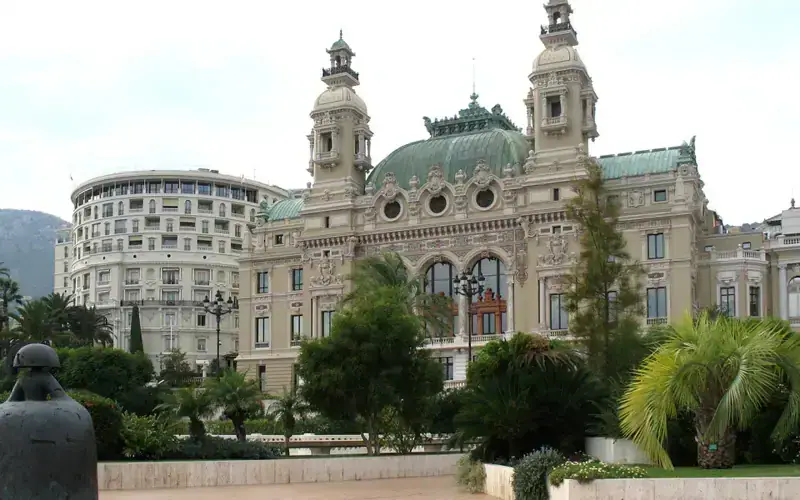
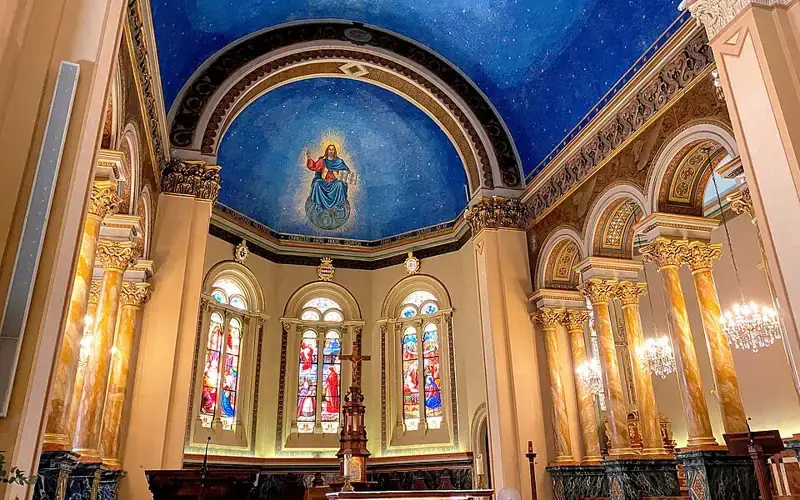
The Casino de Monte-Carlo is central to the history of the resort district that transformed Monaco in the nineteenth century. Even without gambling, the building and Casino Square make sense of Monte-Carlo’s architecture, urban planning and international reputation. Visitor access to interiors is controlled and can change, but the ceremonial rooms and richly decorated spaces are the principal architectural interest when available. The casino also forms a coherent group with the Opéra de Monte-Carlo and landscaped gardens, making the surrounding precinct worth examining as a whole rather than as a single façade.
What you will see
- Casino Square façade.
- Historic gaming and reception rooms when visitor access permits.
- Architectural relationship with the opera house.
History
Casino operations in Monte-Carlo began in the 1860s as part of efforts to strengthen Monaco’s economy and establish a new resort district. The complex was expanded and embellished during the late nineteenth century, including work associated with architect Charles Garnier. The casino became closely linked to the growth of Monte-Carlo as an international leisure and cultural centre.
Photographs
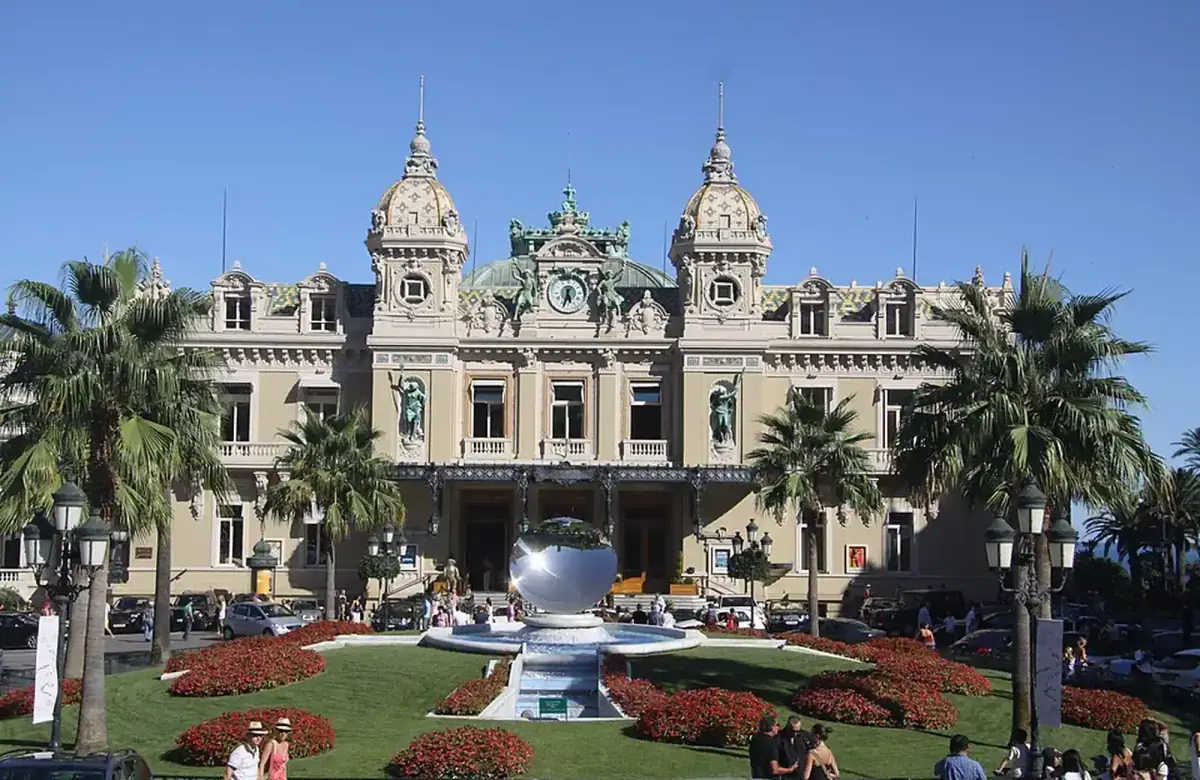
Piponwa · CC BY-SA 3.0 · full attribution on the image credits page.
Visitor tips
- 1
Entry rules, dress requirements and age restrictions can differ by area; check the official source before travel.
- 2
Photography and bag rules can change inside controlled areas.
About Carré d'Or and Casino Square
Monte-Carlo’s ceremonial centre brings together the casino complex, opera house and landscaped gardens.
Open the Monaco guide