 Geboiu Dumitru Mihai · CC BY-SA 3.0 Romania
 Why visit
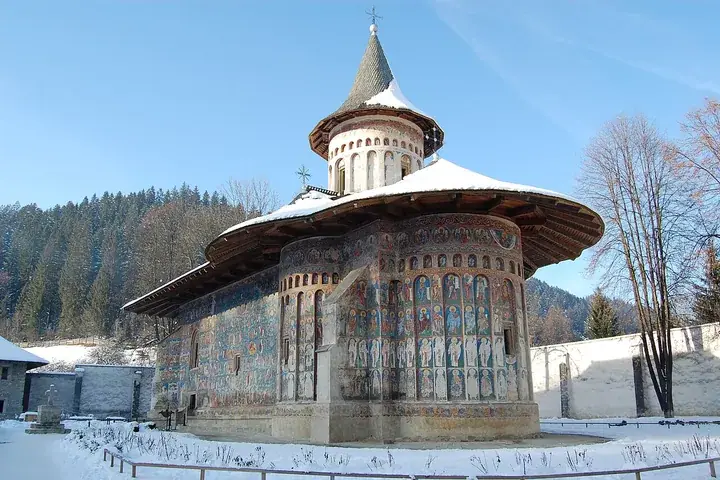
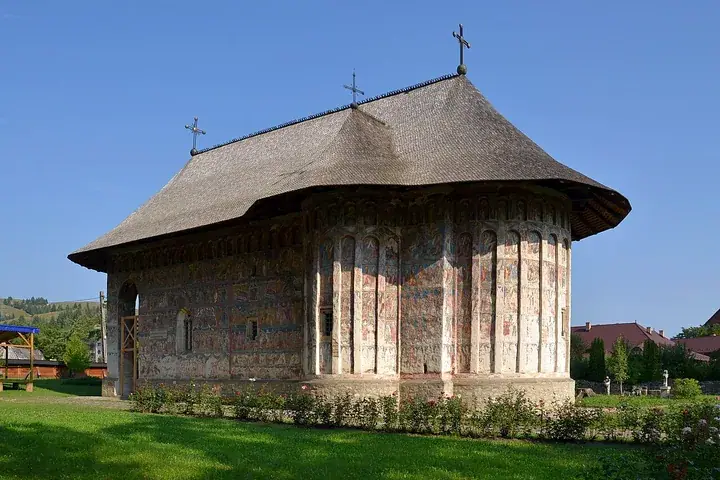
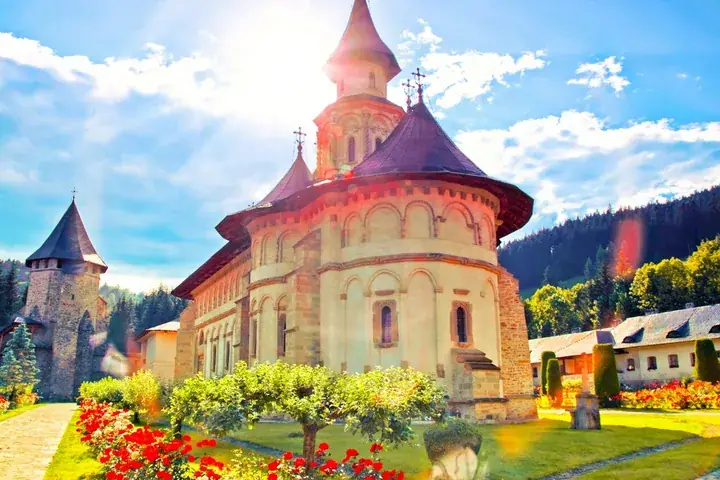
Putna Monastery gives a focused view of Romania’s architectural and historical development. The site is distinctive because its surviving fabric and setting can be read directly rather than only through museum interpretation. A visit works well as part of a regional itinerary around Putna, while still rewarding enough time to examine the main structures, landscape features and historical context at an unhurried pace.
What you will see
- The principal religious features of Putna Monastery.
- The relationship between the site and its surrounding town or landscape.
- Details that reveal the place’s historical or geological development.
History
Founded by Stephen the Great in the 15th century, Putna became an important religious and dynastic centre and contains the ruler’s tomb.
Visitor tips
- 1
Confirm the final public entrance, parking point, trailhead or ticket office before departure.
- 2
Allow extra time for historic-centre traffic, mountain roads, steep paths or queues where relevant.
- 3
Respect active places of worship, protected landscapes, private property and any photography restrictions.
About Bucovina
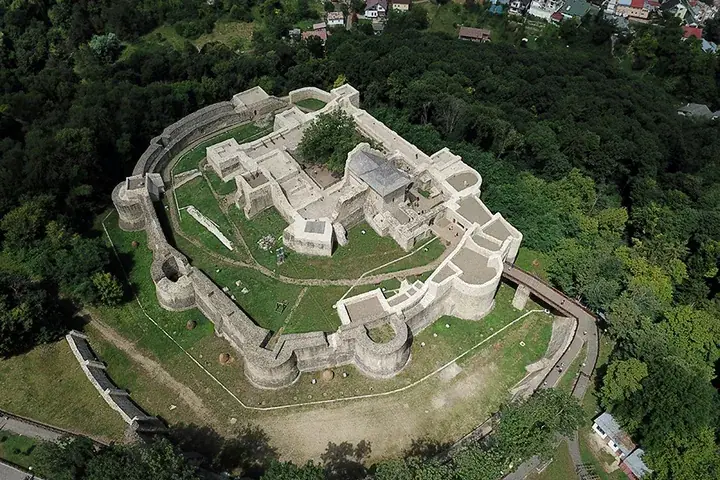
Northern Moldavia is defined by painted monasteries, fortified monastic precincts and Suceava’s medieval princely legacy, with several churches recognised for their exterior fresco cycles.
Open the Romania guide