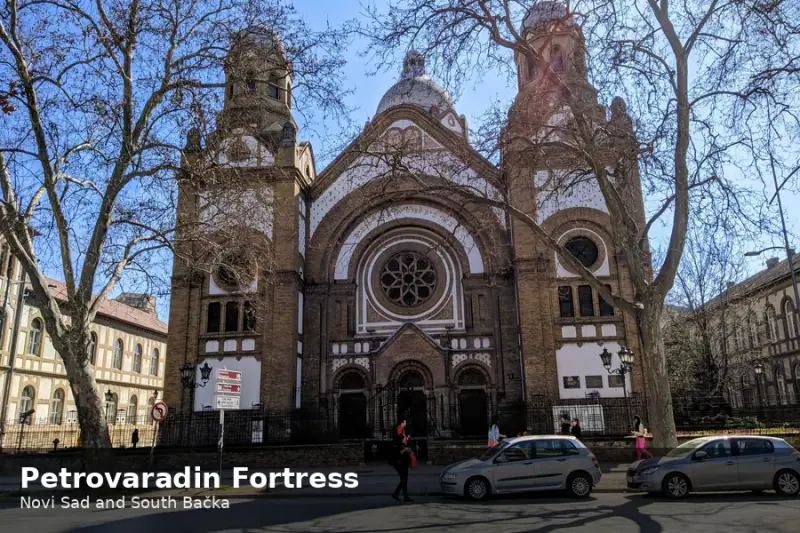
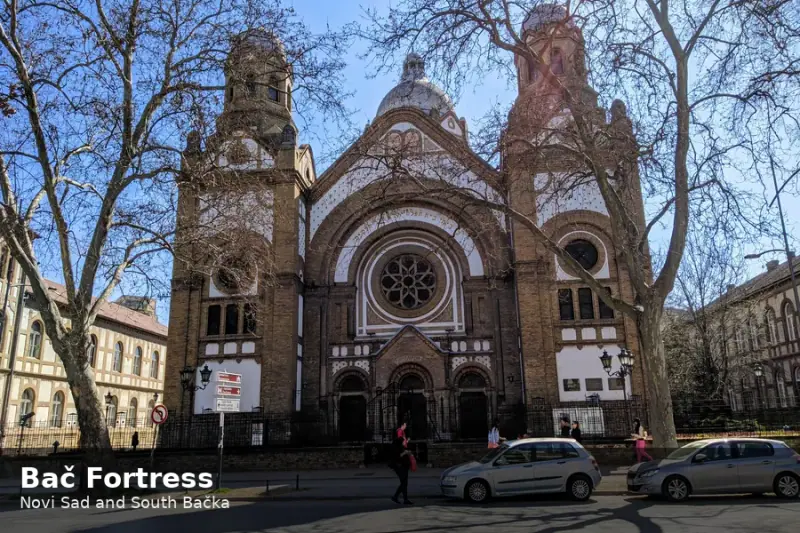
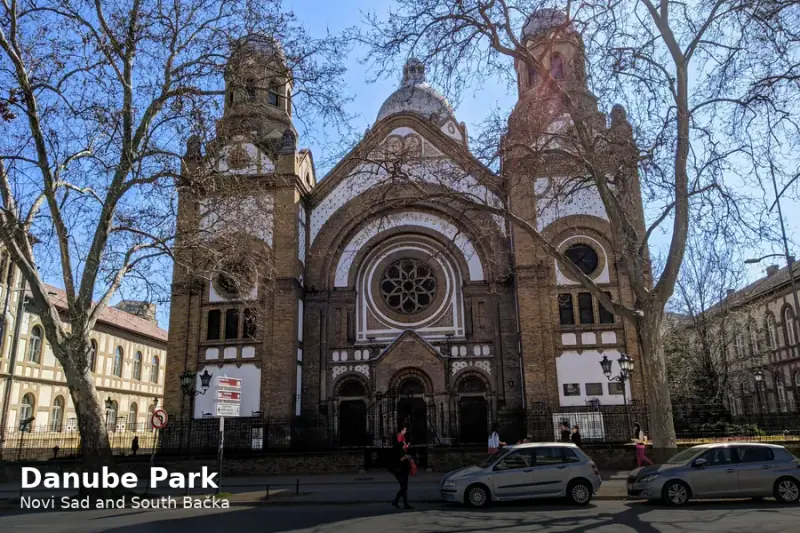
 Imeao · CC0 1.0
 Why visit
Danube Park is worth including in a Serbia itinerary for its direct connection with urban landscape design and a quieter transition between nearby cultural sites. The main visit can be organised around mature planting and paths, ponds and public spaces, links to nearby historic streets. These elements make the site useful for understanding the wider Novi Sad area rather than treating it only as a photo stop. Its physical setting also helps explain how transport routes, faith, political power, geology or local livelihoods influenced this part of Serbia. A measured visit leaves enough time to read the surviving fabric or landscape and then connect it with nearby places from the same region.
What you will see
- mature planting and paths.
- ponds and public spaces.
- links to nearby historic streets.
History
This central urban park was laid out in the nineteenth century on ground that had previously been marshy. Mature trees, paths and a small pond make it a useful pause between nearby museums and the old centre.
Visitor tips
- 1
Confirm the current public entrance or trailhead before departure.
- 2
Allow extra time for parking, steep approaches, security, queues or weather where relevant.
- 3
Respect worship, conservation, protected-landscape and photography rules shown on site.
About Novi Sad and South Bačka
South Bačka centres on Novi Sad, the Danube and the Petrovaradin river crossing, with civic architecture, museums, parks and the fortified heritage of Bač.
Open the Serbia guide