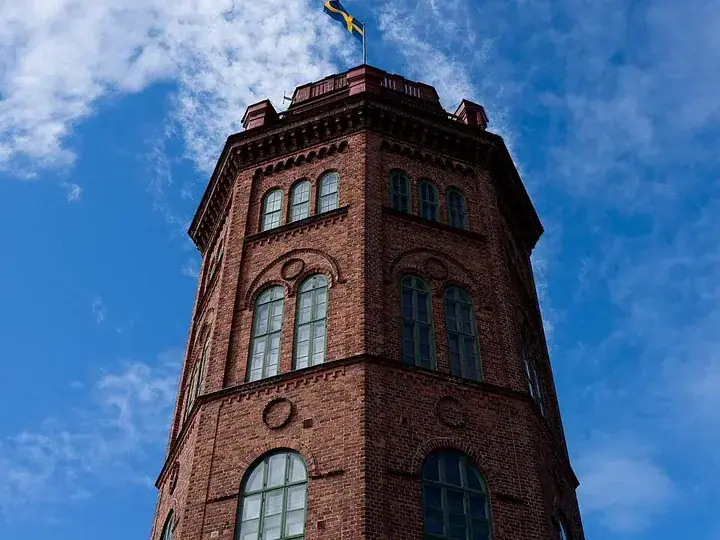
 Jules Verne Times Two · CC BY-SA 4.0
 Why visit
Skansen is worth time for the ability to compare Swedish regional building traditions and social history in one walkable landscape, with original structures and working displays providing context beyond conventional museum cases. Key elements include historic buildings from across Sweden, craft workshops and domestic interiors, and seasonal demonstrations and cultural interpretation. Together these features place the destination within the wider story of Stockholm and the Archipelago. Attention to layout, materials, landscape and surviving details helps explain how the place has developed, functioned or been understood over time. It has enough substance for a focused visit and also connects naturally with a broader regional itinerary.
What you will see
- historic buildings from across Sweden.
- craft workshops and domestic interiors.
- seasonal demonstrations and cultural interpretation.
History
Artur Hazelius founded Skansen in 1891 as an open-air museum devoted to Swedish buildings, crafts and everyday traditions. Historic structures were moved from different parts of the country to create a broad cultural collection.
Photographs
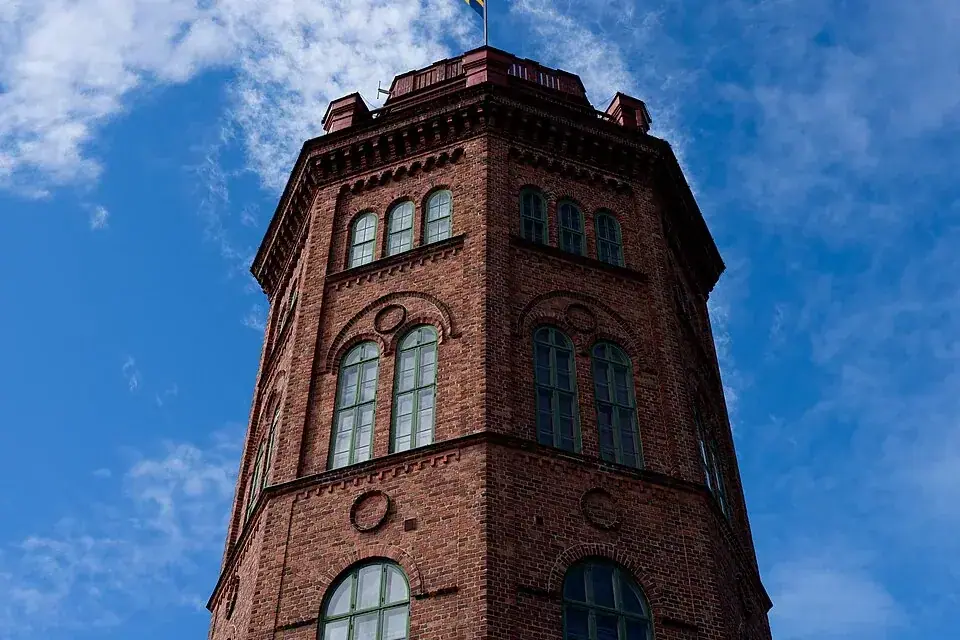
Jules Verne Times Two · CC BY-SA 4.0 · full attribution on the image credits page.
Visitor tips
- 1
Weather-ready clothing and footwear suited to the surface are sensible, and marked paths should be followed.
- 2
historic buildings from across Sweden is a useful first reference point for understanding the site.
About Stockholm and the Archipelago
Sweden’s capital region combines the medieval city core, royal and civic landmarks, major museums and accessible Baltic-side nature.
Open the Sweden guide