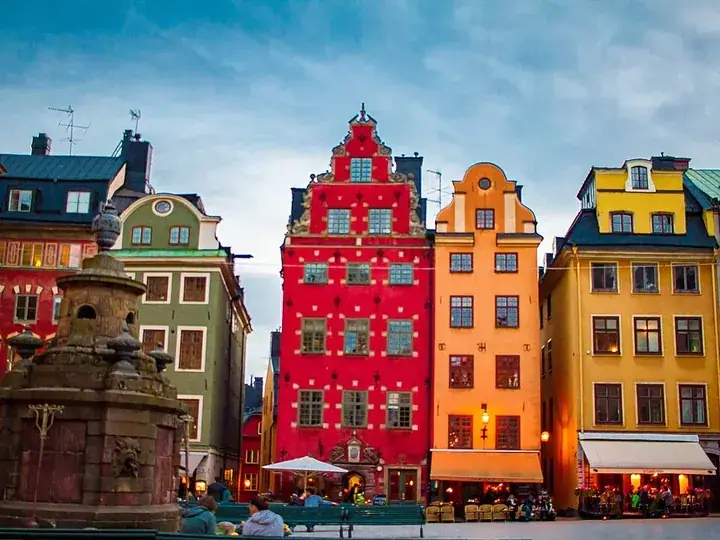
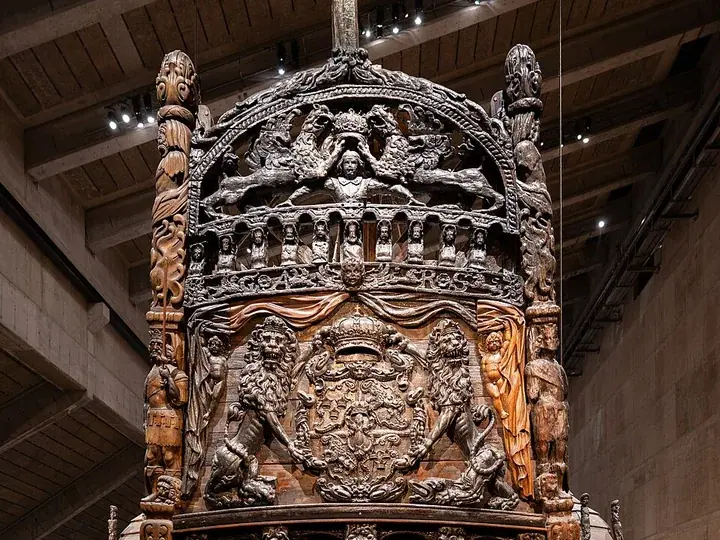
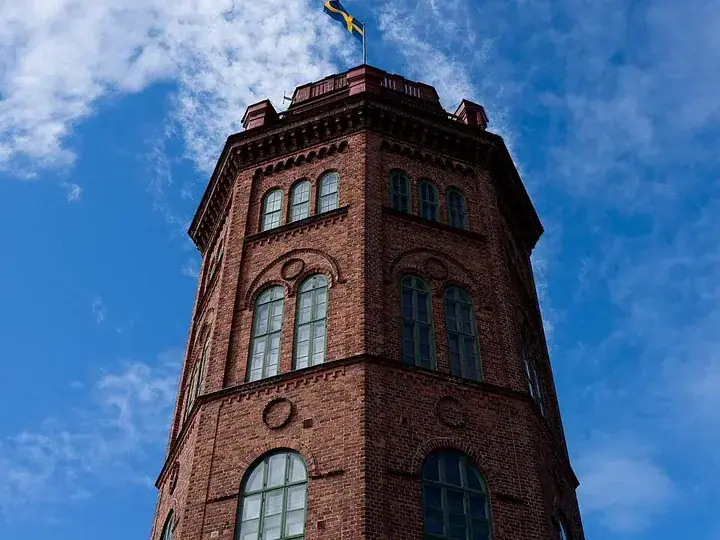
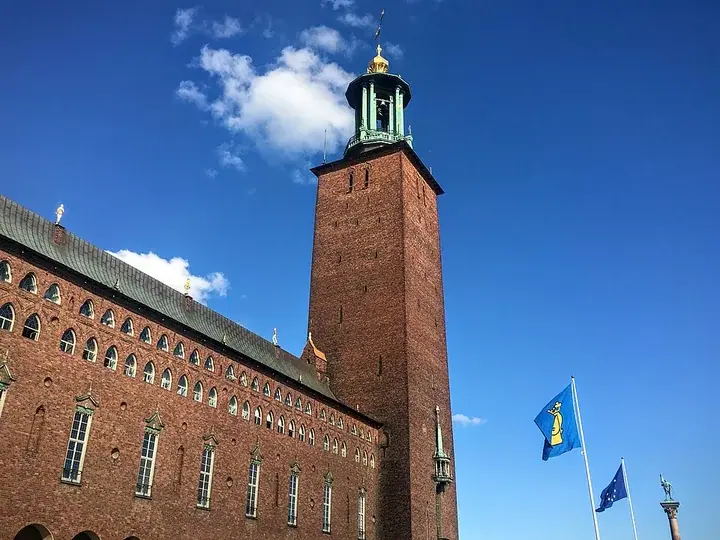
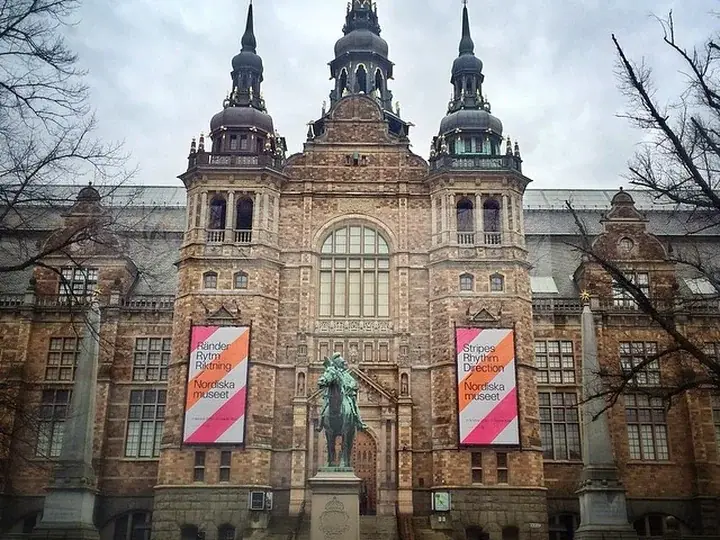
Manfred Werner (Tsui) · CC BY-SA 4.0
 Why visit
Stockholm Palace is worth time for the concentration of royal ceremonial spaces, collections and architectural history at the northern edge of Gamla Stan, where the monarchy’s long occupation of the site remains legible. Key elements include state apartments and ceremonial rooms, royal collections and museum areas, and the palace courtyards beside Gamla Stan. Together these features place the destination within the wider story of Stockholm and the Archipelago. Attention to layout, materials, landscape and surviving details helps explain how the place has developed, functioned or been understood over time. It has enough substance for a focused visit and also connects naturally with a broader regional itinerary.
What you will see
- state apartments and ceremonial rooms.
- royal collections and museum areas.
- the palace courtyards beside Gamla Stan.
History
The present Baroque palace was built after fire destroyed the earlier Tre Kronor castle in 1697. Work continued through the first half of the eighteenth century as the royal court returned to the site.
Photographs
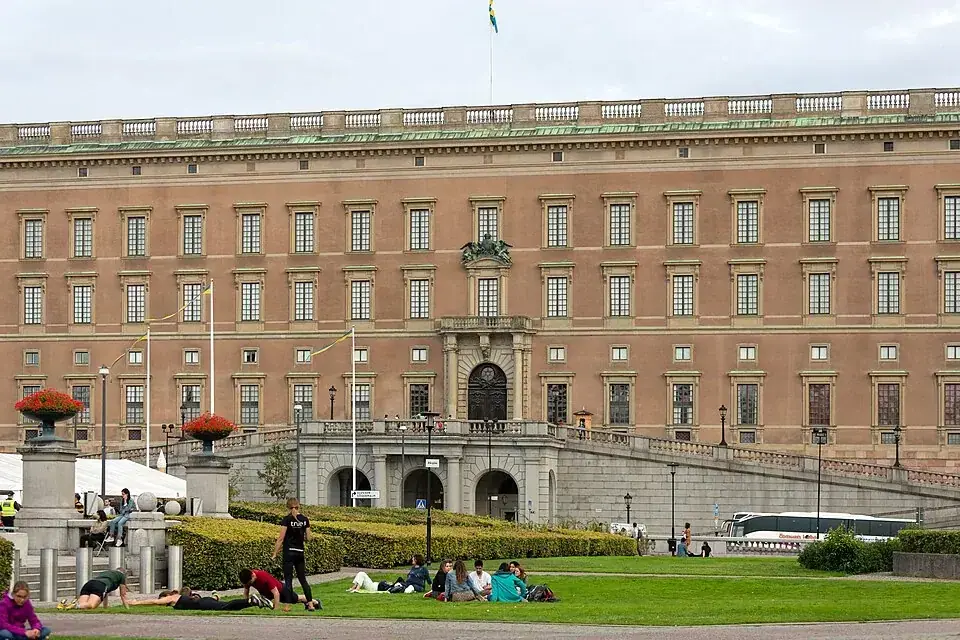
Manfred Werner (Tsui) · CC BY-SA 4.0 · full attribution on the image credits page.
Visitor tips
- 1
Time should be allowed for the principal interiors and interpretation rather than only the entrance area.
- 2
state apartments and ceremonial rooms is a useful first reference point for understanding the site.
About Stockholm and the Archipelago
Sweden’s capital region combines the medieval city core, royal and civic landmarks, major museums and accessible Baltic-side nature.
Open the Sweden guide