 Jules Verne Times Two · CC BY-SA 4.0
 Why visit
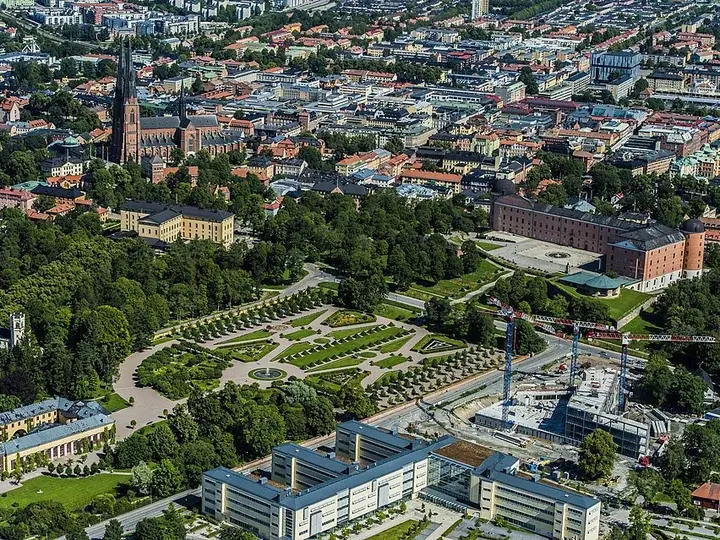
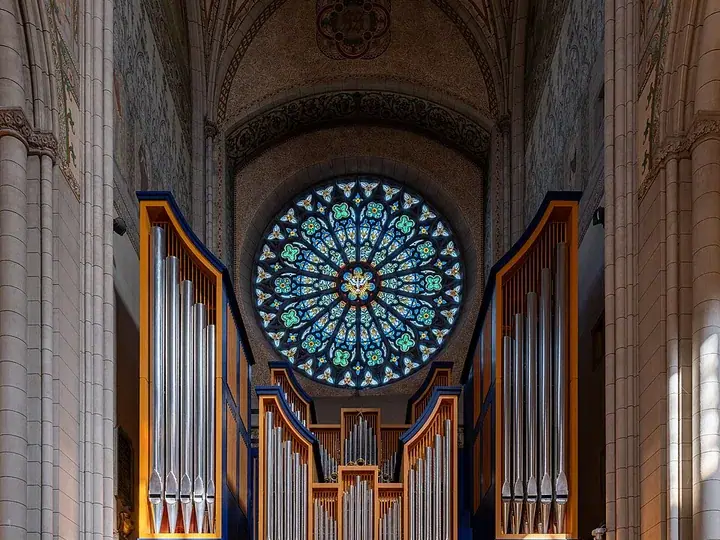
Uppsala Cathedral is worth time for the scale of Sweden’s principal historic cathedral, its long association with church leadership and monarchy, and the way medieval fabric and later restoration can be read in a single building. Key elements include the twin-spired Gothic exterior, royal and ecclesiastical memorials, and chapels and medieval architectural fabric. Together these features place the destination within the wider story of Uppland. Attention to layout, materials, landscape and surviving details helps explain how the place has developed, functioned or been understood over time. It has enough substance for a focused visit and also connects naturally with a broader regional itinerary.
What you will see
- the twin-spired Gothic exterior.
- royal and ecclesiastical memorials.
- chapels and medieval architectural fabric.
History
Construction of Uppsala Cathedral began in the thirteenth century and the church was consecrated in 1435. Later restoration campaigns altered details while preserving its role at the centre of Swedish church history.
Photographs
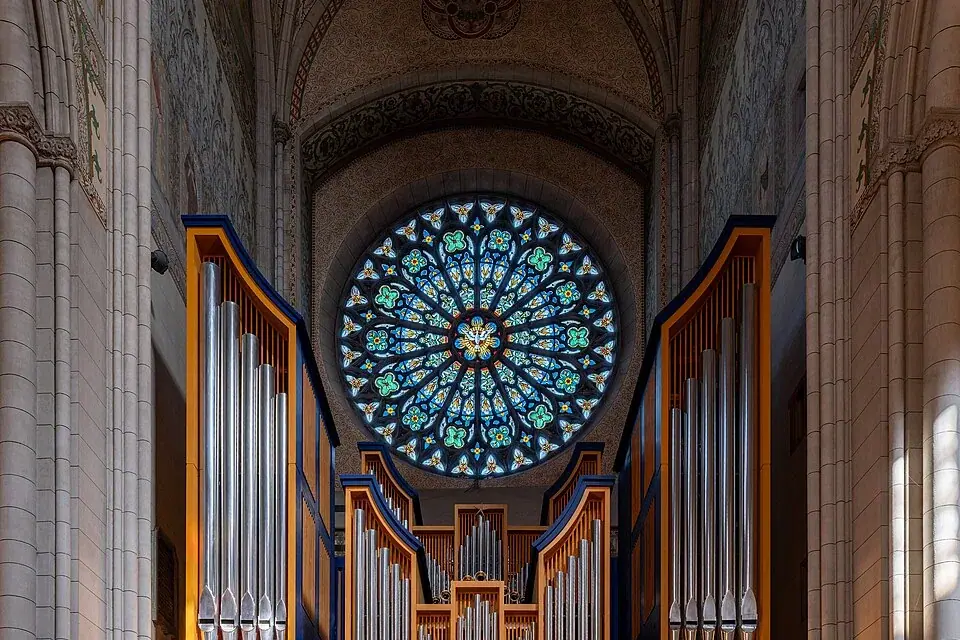
Jules Verne Times Two · CC BY-SA 4.0 · full attribution on the image credits page.
Visitor tips
- 1
Time should be allowed for the principal interiors and interpretation rather than only the entrance area.
- 2
the twin-spired Gothic exterior is a useful first reference point for understanding the site.
About Uppland
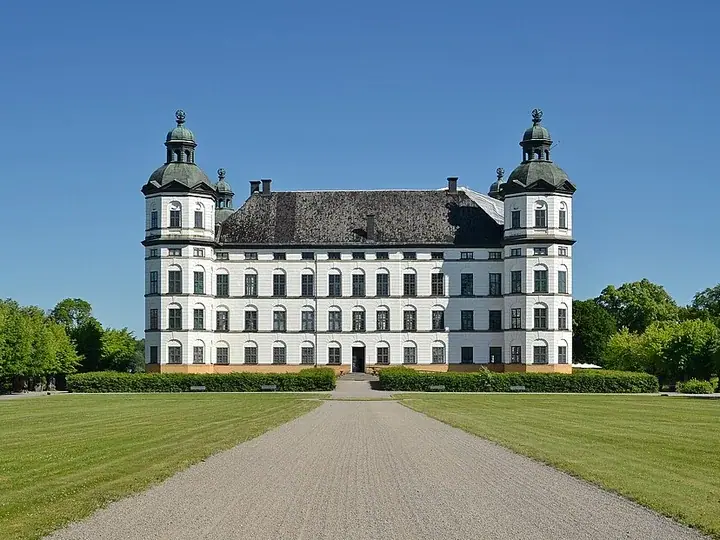
Uppland brings together Uppsala’s university and ecclesiastical heritage with early Swedish royal centres, Sigtuna and the great lakeside estate at Skokloster.
Open the Sweden guide