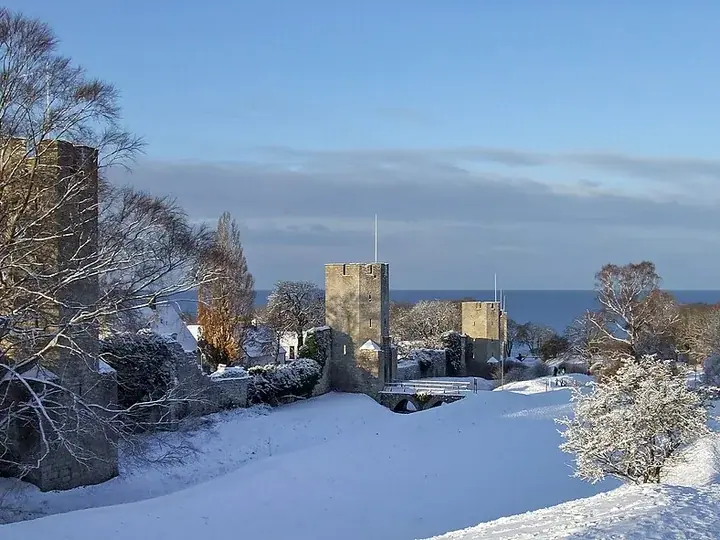
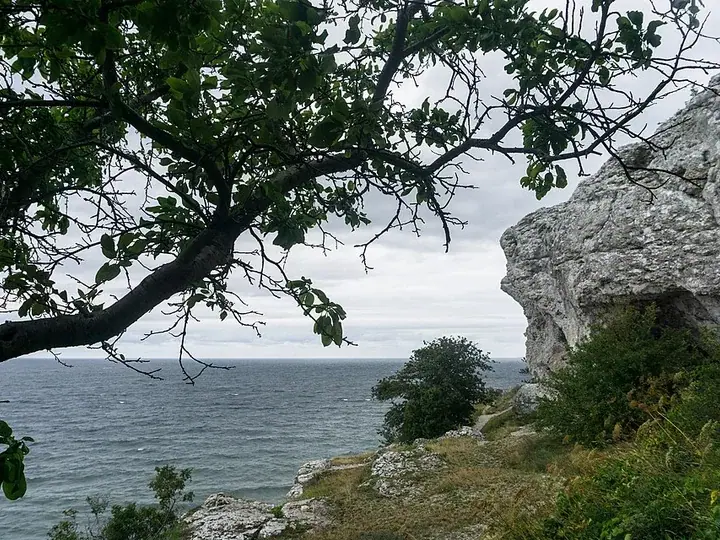
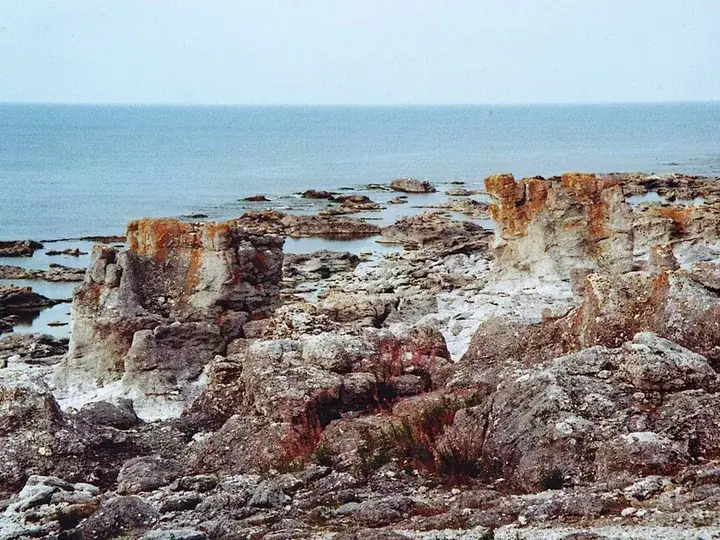
Arild Vågen · CC BY-SA 4.0
 Why visit
Visby Cathedral is worth time for a functioning medieval church that provides an important contrast with Visby’s many ruined churches, preserving continuous religious use within the UNESCO-listed townscape. Key elements include medieval stone architecture, historic furnishings and memorials, and its setting among Visby’s lanes and church ruins. Together these features place the destination within the wider story of Gotland. Attention to layout, materials, landscape and surviving details helps explain how the place has developed, functioned or been understood over time. It has enough substance for a focused visit and also connects naturally with a broader regional itinerary.
What you will see
- medieval stone architecture.
- historic furnishings and memorials.
- its setting among Visby’s lanes and church ruins.
History
The Church of Saint Mary was consecrated in 1225 for Visby’s German merchant community. It survived the later decline of many medieval churches and became the cathedral of Visby after the Reformation.
Photographs

Arild Vågen · CC BY-SA 4.0 · full attribution on the image credits page.
Visitor tips
- 1
Time should be allowed for the principal interiors and interpretation rather than only the entrance area.
- 2
medieval stone architecture is a useful first reference point for understanding the site.
About Gotland
Gotland’s limestone landscape, Hanseatic-era Visby, sea stacks, caves and offshore nature give the Baltic island a distinctive cultural and geological character.
Open the Sweden guide