Tulipasylvestris · CC BY 4.0
 Why visit
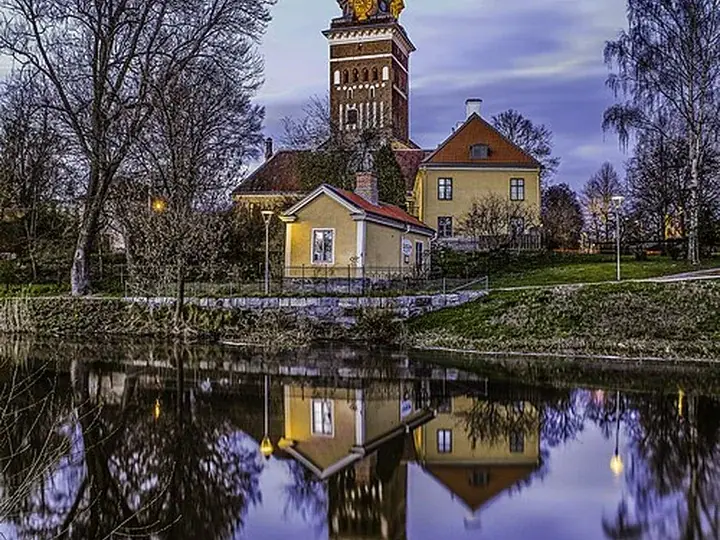
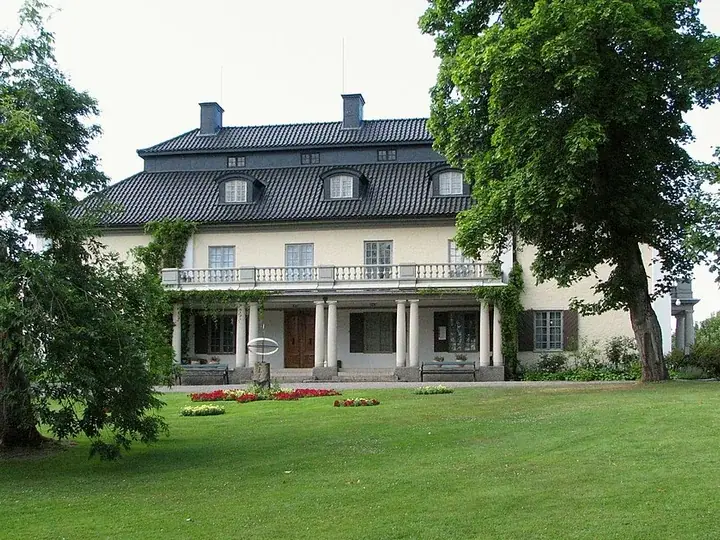
Sala Silver Mine is worth time for a direct encounter with the underground industrial history that financed part of early modern Sweden, with the surviving workings making the physical scale and difficulty of historic mining clear. Key elements include underground mine passages, historic mine buildings and machinery, and interpretation of labour and royal silver production. Together these features place the destination within the wider story of Mälaren and Värmland. Attention to layout, materials, landscape and surviving details helps explain how the place has developed, functioned or been understood over time. It has enough substance for a focused visit and also connects naturally with a broader regional itinerary.
What you will see
- underground mine passages.
- historic mine buildings and machinery.
- interpretation of labour and royal silver production.
History
Silver mining at Sala expanded from the late medieval period and became an important resource for the Swedish crown. Centuries of extraction left deep workings, surface buildings and a distinctive mining landscape.
Photographs
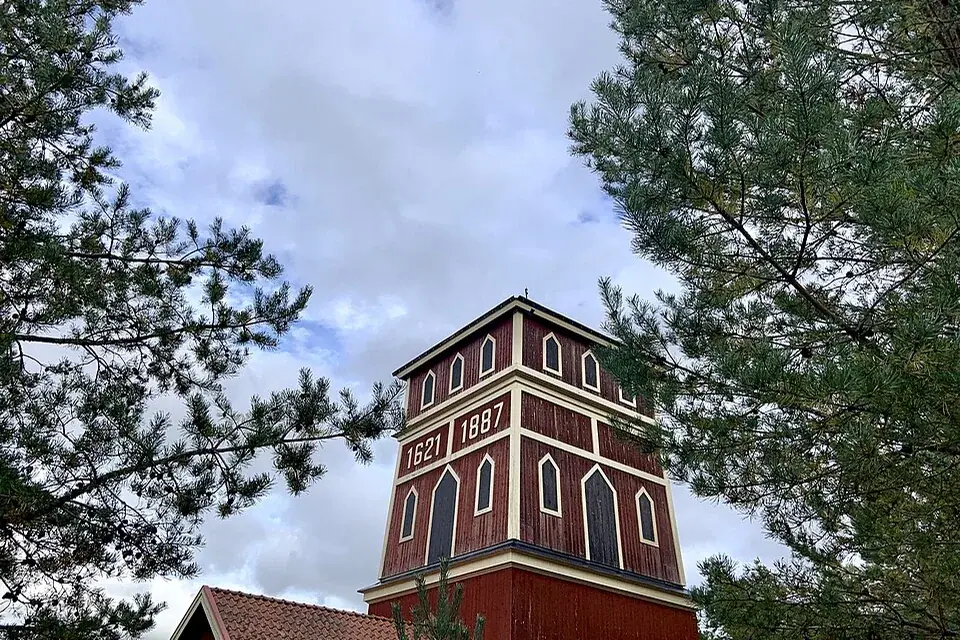
Tulipasylvestris · CC BY 4.0 · full attribution on the image credits page.
Visitor tips
- 1
Time should be allowed for the principal interiors and interpretation rather than only the entrance area.
- 2
underground mine passages is a useful first reference point for understanding the site.
About Mälaren and Värmland
Inland central Sweden contains castles and cathedral cities around Mälaren, the industrial story of Sala’s silver mine and literary and cultural places across Värmland.
Open the Sweden guide