 Baltica / Carmen Hevia · CC BY-SA 3.0
 Why visit
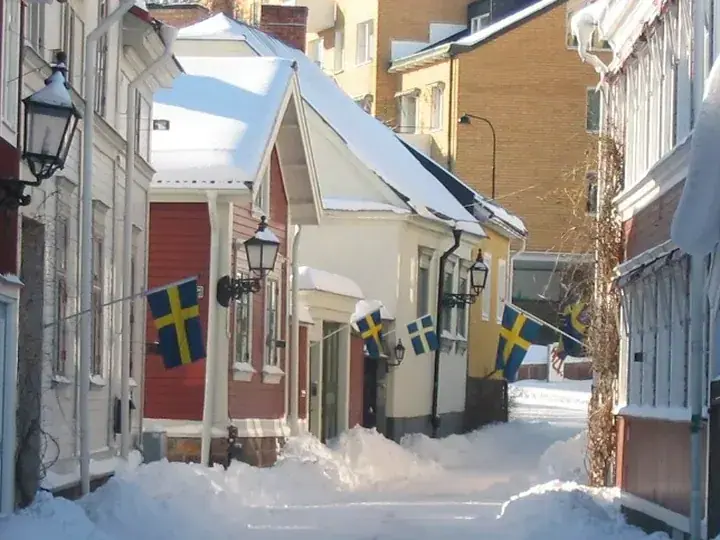
Gamla Gefle is worth time for a compact surviving fragment of the pre-1869 town, making it possible to compare Gävle’s older wooden scale with the more regular city that emerged after the fire. Key elements include preserved wooden houses south of the river, narrow lanes and enclosed courtyards, and the contrast with Gävle’s later rebuilt street plan. Together these features place the destination within the wider story of Dalarna and Gävleborg. Attention to layout, materials, landscape and surviving details helps explain how the place has developed, functioned or been understood over time. It has enough substance for a focused visit and also connects naturally with a broader regional itinerary.
What you will see
- preserved wooden houses south of the river.
- narrow lanes and enclosed courtyards.
- the contrast with Gävle’s later rebuilt street plan.
History
Much of Gävle was destroyed by a major fire in 1869, but a district south of the Gavleån survived. Gamla Gefle retains small wooden houses, courtyards and narrow streets from the eighteenth and nineteenth centuries.
Photographs
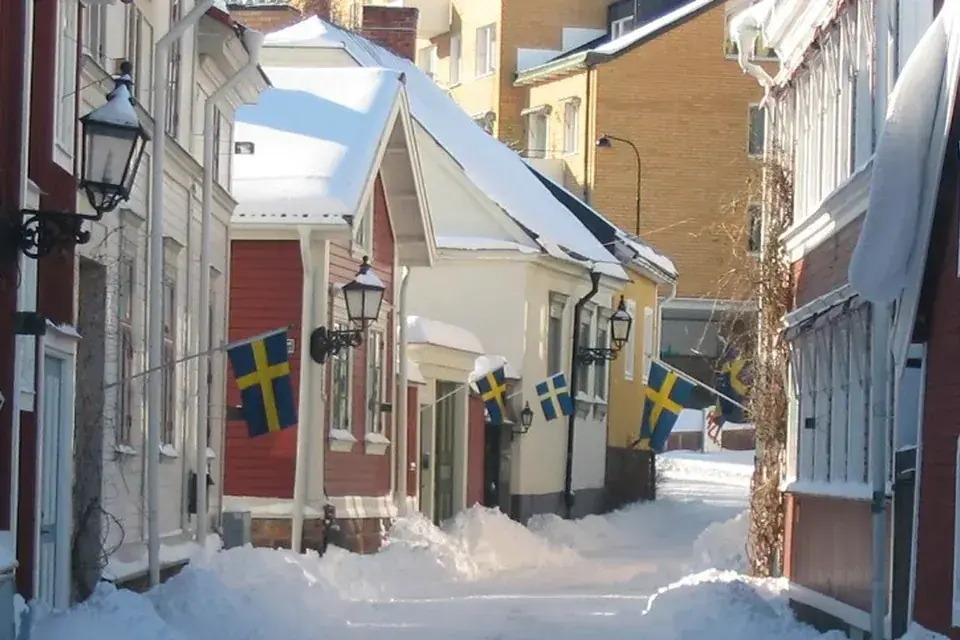
Baltica / Carmen Hevia · CC BY-SA 3.0 · full attribution on the image credits page.
Visitor tips
- 1
Weather-ready clothing and footwear suited to the surface are sensible, and marked paths should be followed.
- 2
preserved wooden houses south of the river is a useful first reference point for understanding the site.
About Dalarna and Gävleborg
Dalarna’s mining, artists’ homes and mountain-edge landscapes sit beside Gävle’s preserved historic quarter, creating a strong mix of industrial, artistic and vernacular heritage.
Open the Sweden guide