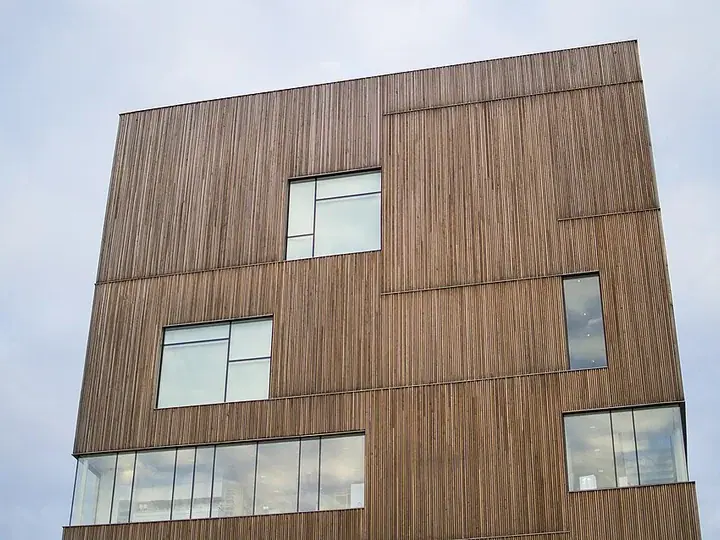
Jonomorph · CC BY-SA 4.0
 Why visit
Skuleskogen National Park is worth time for a hiking-based introduction to the High Coast’s rugged terrain, where forest, elevated viewpoints and exposed geology make the region’s unusual post-glacial history visible. Key elements include Slåttdalsskrevan rock cleft, forest and high coastal viewpoints, and evidence of post-glacial land uplift. Together these features place the destination within the wider story of High Coast and Västerbotten. Attention to layout, materials, landscape and surviving details helps explain how the place has developed, functioned or been understood over time. It has enough substance for a focused visit and also connects naturally with a broader regional itinerary.
What you will see
- Slåttdalsskrevan rock cleft.
- forest and high coastal viewpoints.
- evidence of post-glacial land uplift.
History
Skuleskogen National Park was established in 1984 within the High Coast region. Its forest, rocky ridges and shoreline lie in an area shaped by exceptionally strong post-glacial land uplift.
Photographs
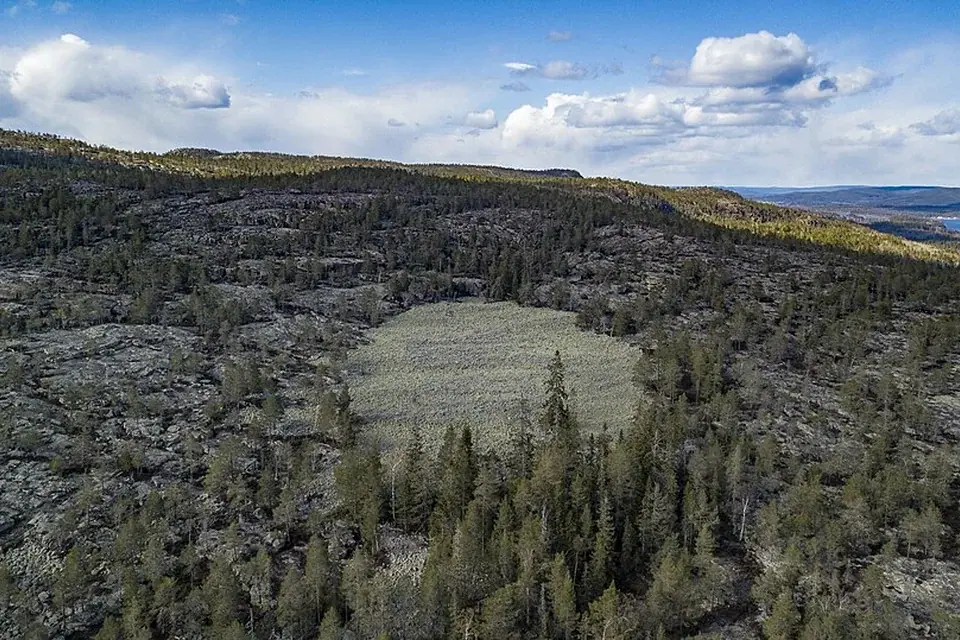
Jonomorph · CC BY-SA 4.0 · full attribution on the image credits page.
Visitor tips
- 1
Weather-ready clothing and footwear suited to the surface are sensible, and marked paths should be followed.
- 2
Slåttdalsskrevan rock cleft is a useful first reference point for understanding the site.
About High Coast and Västerbotten
The High Coast is defined by dramatic post-glacial uplift and forested Baltic scenery, while Umeå adds a contemporary cultural counterpoint further north.
Open the Sweden guide