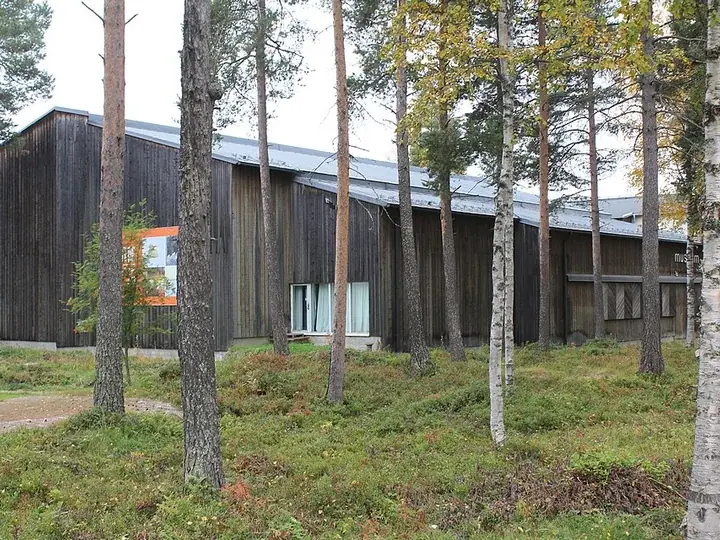
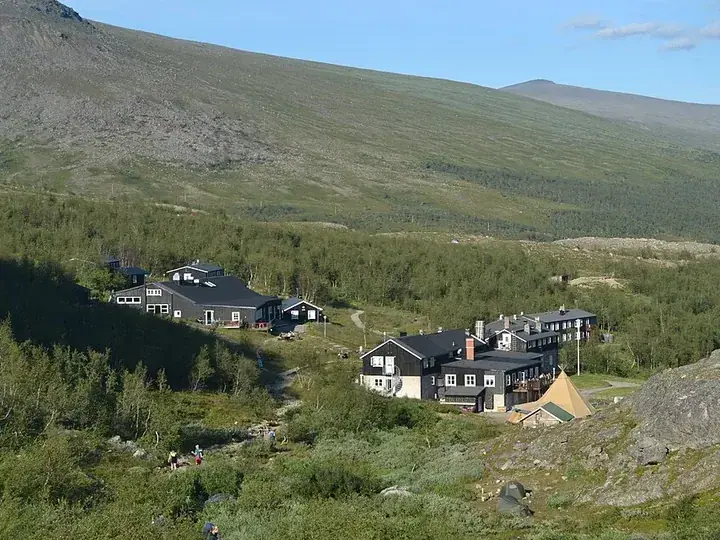
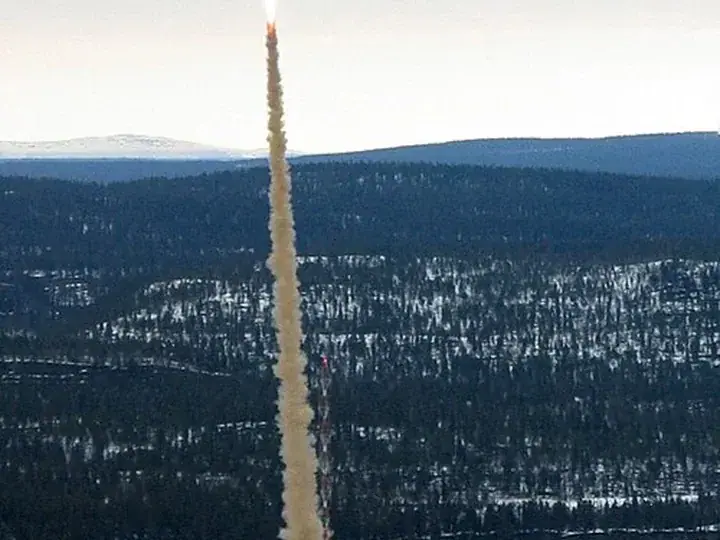
 Gaelen Marsden · CC BY-SA 2.5
 Why visit
Esrange Space Center is worth time for a distinctive modern-science destination that explains why northern Sweden’s latitude, open landscape and sparse settlement are valuable for atmospheric and space research, even when operational access is limited. Key elements include Arctic space-research landscape, rocket, balloon and satellite infrastructure viewed where access permits, and the connection between high-latitude geography and space science. Together these features place the destination within the wider story of Swedish Lapland. Attention to layout, materials, landscape and surviving details helps explain how the place has developed, functioned or been understood over time. It has enough substance for a focused visit and also connects naturally with a broader regional itinerary.
What you will see
- Arctic space-research landscape.
- rocket, balloon and satellite infrastructure viewed where access permits.
- the connection between high-latitude geography and space science.
History
Esrange was established in the 1960s for sounding-rocket and atmospheric research and passed to the Swedish Space Corporation in 1972. It has since supported balloon, satellite and launch activities in the Arctic environment east of Kiruna.
Photographs
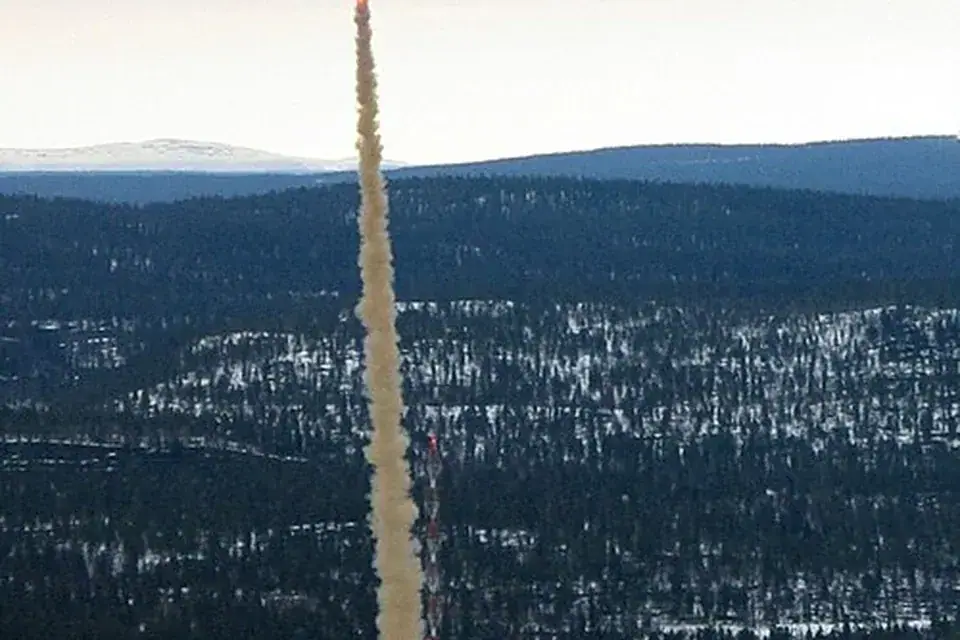
Gaelen Marsden · CC BY-SA 2.5 · full attribution on the image credits page.
Visitor tips
- 1
Weather-ready clothing and footwear suited to the surface are sensible, and marked paths should be followed.
- 2
Arctic space-research landscape is a useful first reference point for understanding the site.
About Swedish Lapland
Swedish Lapland brings together Sámi cultural interpretation, mountain national parks, long-distance trailheads, Arctic hospitality and Sweden’s modern space-research landscape.
Open the Sweden guide