 Bene Riobó · CC BY-SA 4.0
 Why visit
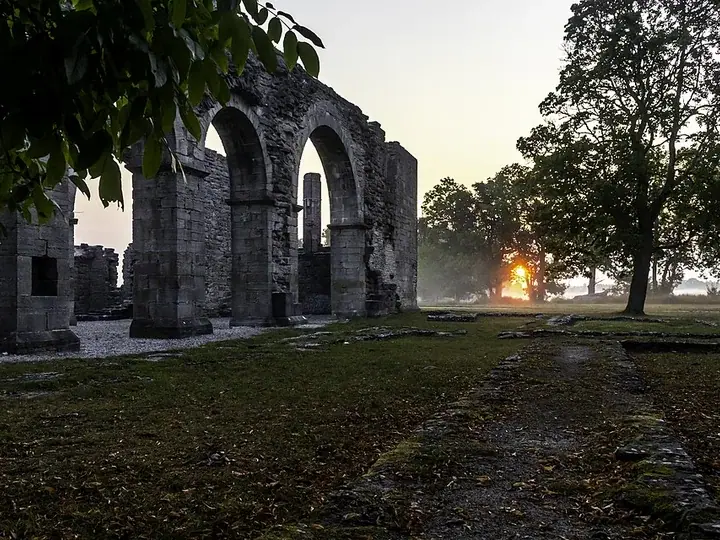
Roma Abbey adds a monastic dimension to Gotland’s better-known medieval townscape. The roofless church walls retain enough scale to understand the proportions of the former Cistercian complex, while the surrounding estate setting shows how the site changed after the monastery ceased to function. Stonework, openings and the surviving plan reward a careful walk rather than a quick photograph. Because Roma lies inland, the visit also shifts attention away from Visby and the coast towards the agricultural centre of the island, where medieval religious institutions were closely tied to landholding and rural production.
What you will see
- the roofless abbey church walls.
- medieval masonry and surviving openings.
- the relationship between the ruins and Roma Kungsgård.
History
Cistercian monks founded Roma Abbey in the 12th century, traditionally dated to 1164. The monastery was dissolved during the Reformation, and parts of its stonework and land were subsequently absorbed into a royal estate.
Photographs
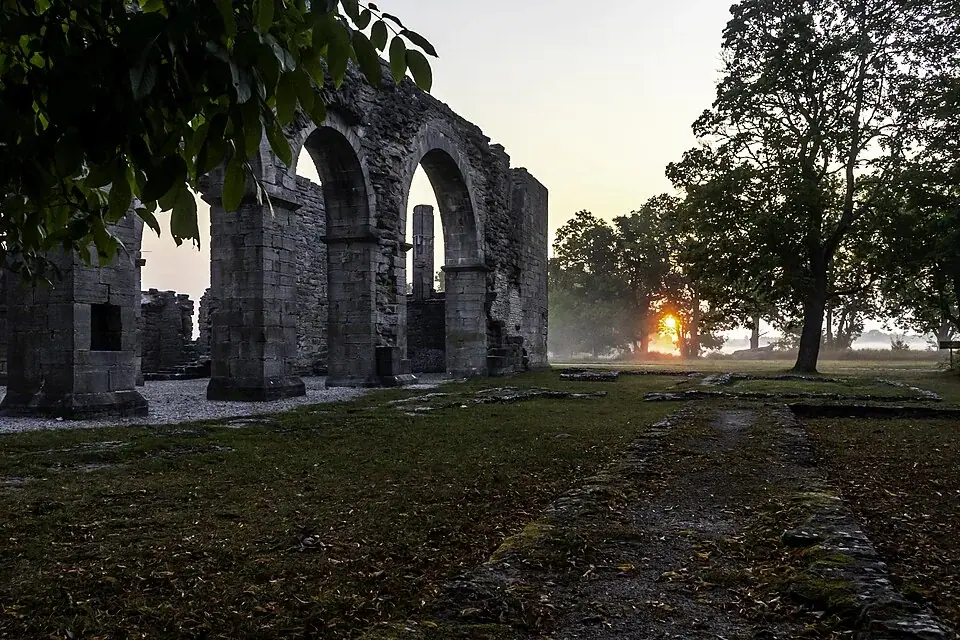
Bene Riobó · CC BY-SA 4.0 · full attribution on the image credits page.
Visitor tips
- 1
Check the official source shortly before travel for current access and visitor arrangements.
- 2
the roofless abbey church walls is a useful first reference point for understanding the site.
About Gotland
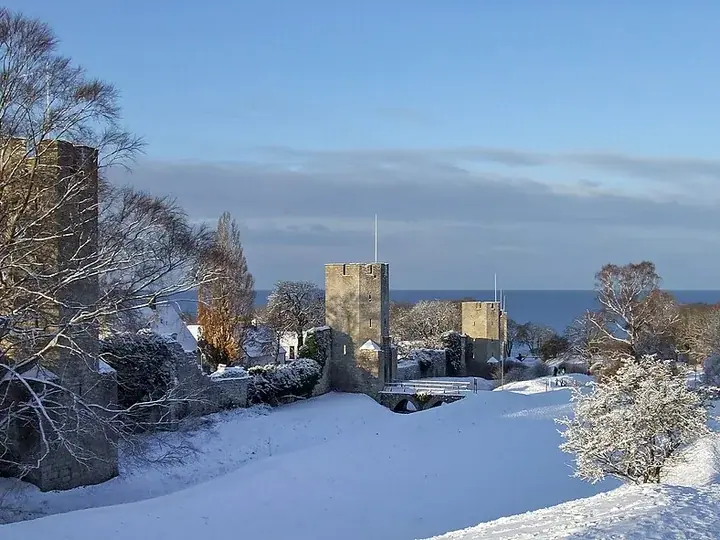
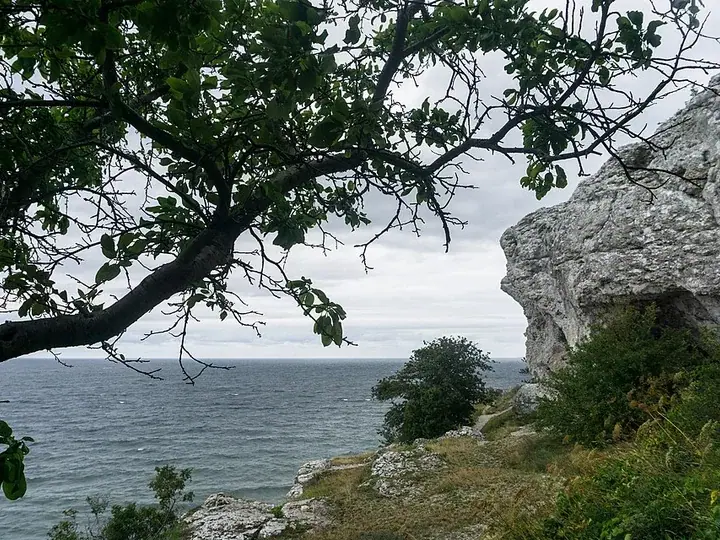
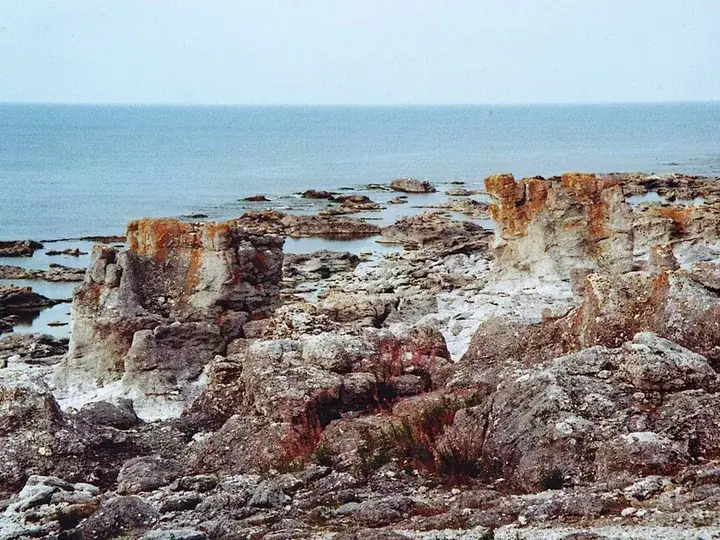
Gotland’s limestone landscape, Hanseatic-era Visby, sea stacks, caves and offshore nature give the Baltic island a distinctive cultural and geological character.
Open the Sweden guide