Fred J · CC BY 1.0
 Why visit
Bohus Fortress is best understood through its position. From the rock above the rivers, the reason for controlling this crossing and border zone is immediately apparent, while the surviving walls show repeated adaptation to siege warfare and artillery. Ruined interiors, towers and defensive circuits preserve evidence of several building phases rather than one fixed architectural moment. The site also helps explain why the political geography of Sweden, Norway and Denmark shifted so often in this region. Views over Kungälv and the waterways connect that large history to a specific strategic landscape.
What you will see
- fortress walls, towers and ruined interiors.
- views over Kungälv and the river junction.
- evidence of repeated siege and artillery adaptations.
History
The fortress was founded in the early 14th century under the Norwegian crown. It endured repeated sieges and rebuilding before the surrounding region became Swedish in the 17th century, after which its military importance gradually declined.
Photographs
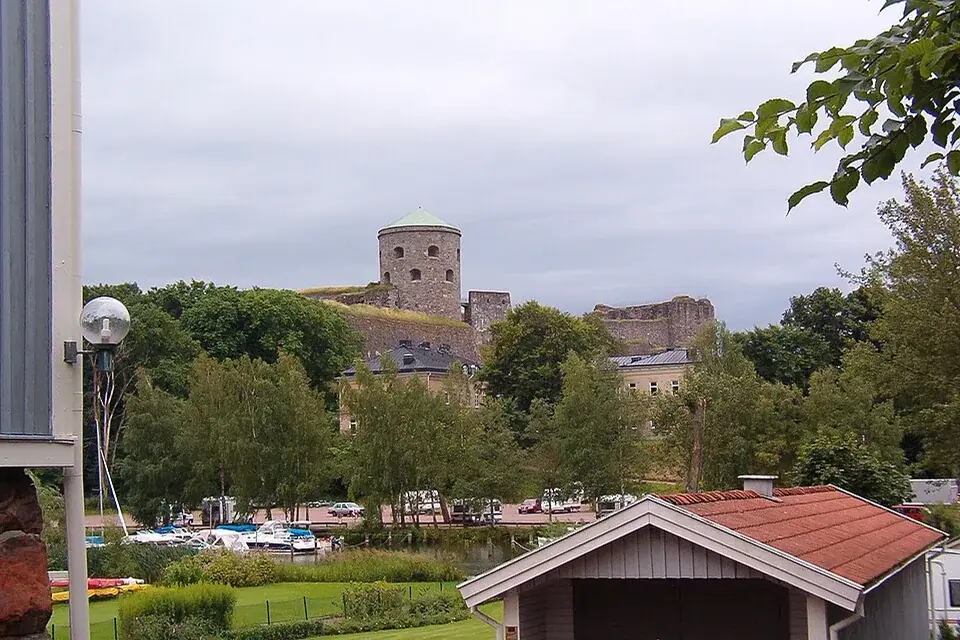
Fred J · CC BY 1.0 · full attribution on the image credits page.
Visitor tips
- 1
Check the official source shortly before travel for current access and visitor arrangements.
- 2
fortress walls, towers and ruined interiors is a useful first reference point for understanding the site.
About West Sweden
Gothenburg and the Bohuslän coast combine major museums and family attractions with granite islands, fishing settlements, fortresses, Bronze Age rock art and marine nature.
Open the Sweden guide