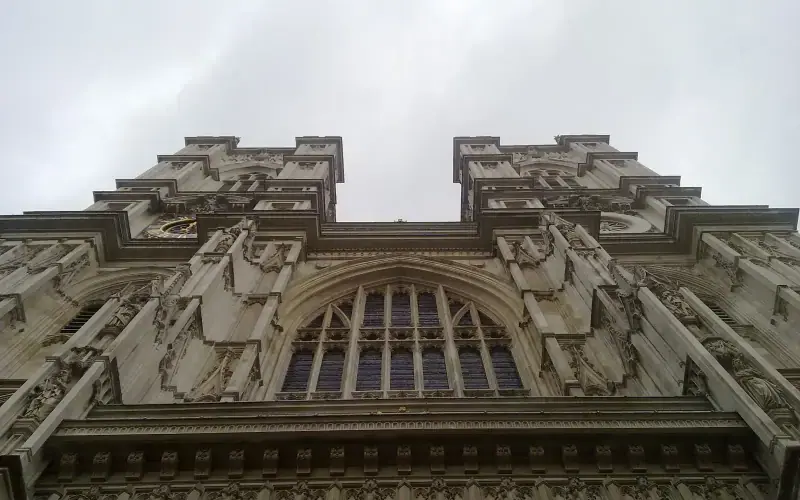
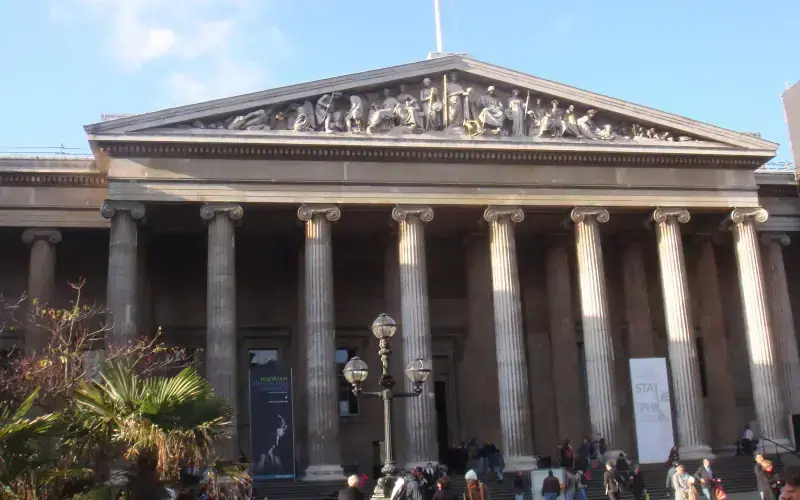
 Lemur12 · CC BY-SA 3.0
 Why visit
British Museum is worth allowing time for because it combines surviving archaeological evidence that makes an otherwise distant period unusually tangible. The site is more useful than a quick photograph: its surviving features give clear evidence of how the place developed and how people used it. Key things to concentrate on are permanent collection galleries, objects and displays linked to the site’s central story, surviving structures and excavated features and site interpretation connecting remains with their period. Its position in or near London also makes it a practical anchor for exploring the surrounding region without reducing the visit to a simple landmark stop.
What you will see
- permanent collection galleries.
- objects and displays linked to the site’s central story.
- surviving structures and excavated features.
- site interpretation connecting remains with their period.
History
The museum was founded by Act of Parliament in 1753 around major private collections and opened to the public in 1759. Its Bloomsbury building expanded during the 19th century as the collections grew.
Photographs
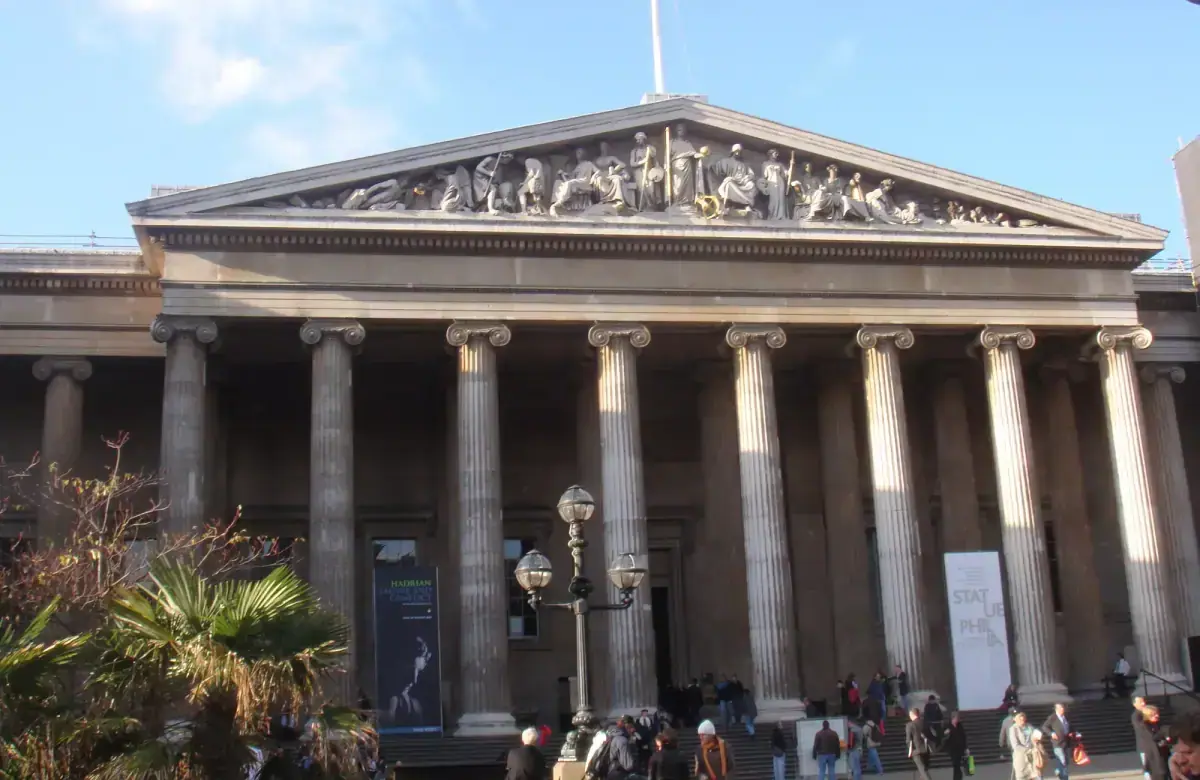
Lemur12 · CC BY-SA 3.0 · full attribution on the image credits page.
Visitor tips
- 1
Allow enough time for the principal features rather than treating the stop only as a photograph.
- 2
Check the official visitor page shortly before travel for access, booking and any temporary restrictions.
About London
London’s historic, civic, museum and royal districts, with dense public transport and many major sights within short urban journeys.
Open the United Kingdom guide